Elektrine
Log in Register
Paige Chat Timeline Gallery Friends Email Drive DNS Private DNS Domains VPN Kairo Nerve
Remote

The Transmitter

@thetransmitter@mastodon.social
mastodon 4.8.0-nightly.2026-10-06
  • Open on mastodon.social

Dedicated to helping neuroscientists stay current and build connections. Subscribe to receive the latest news and perspectives on neuroscience: www.thetransmitter.org/newsletters/

0 Followers
0 Following
32 Posts
Joined December 12, 2023
Open post
The Transmitter @thetransmitter@mastodon.social
· 2w ago
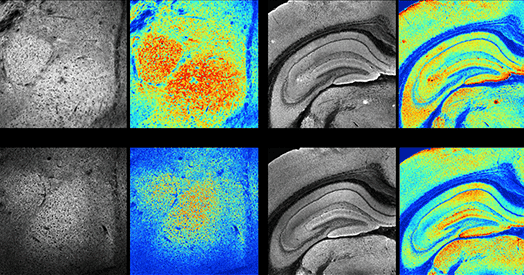
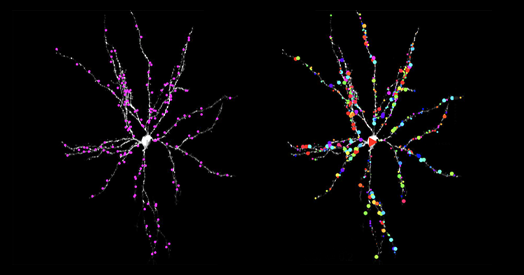
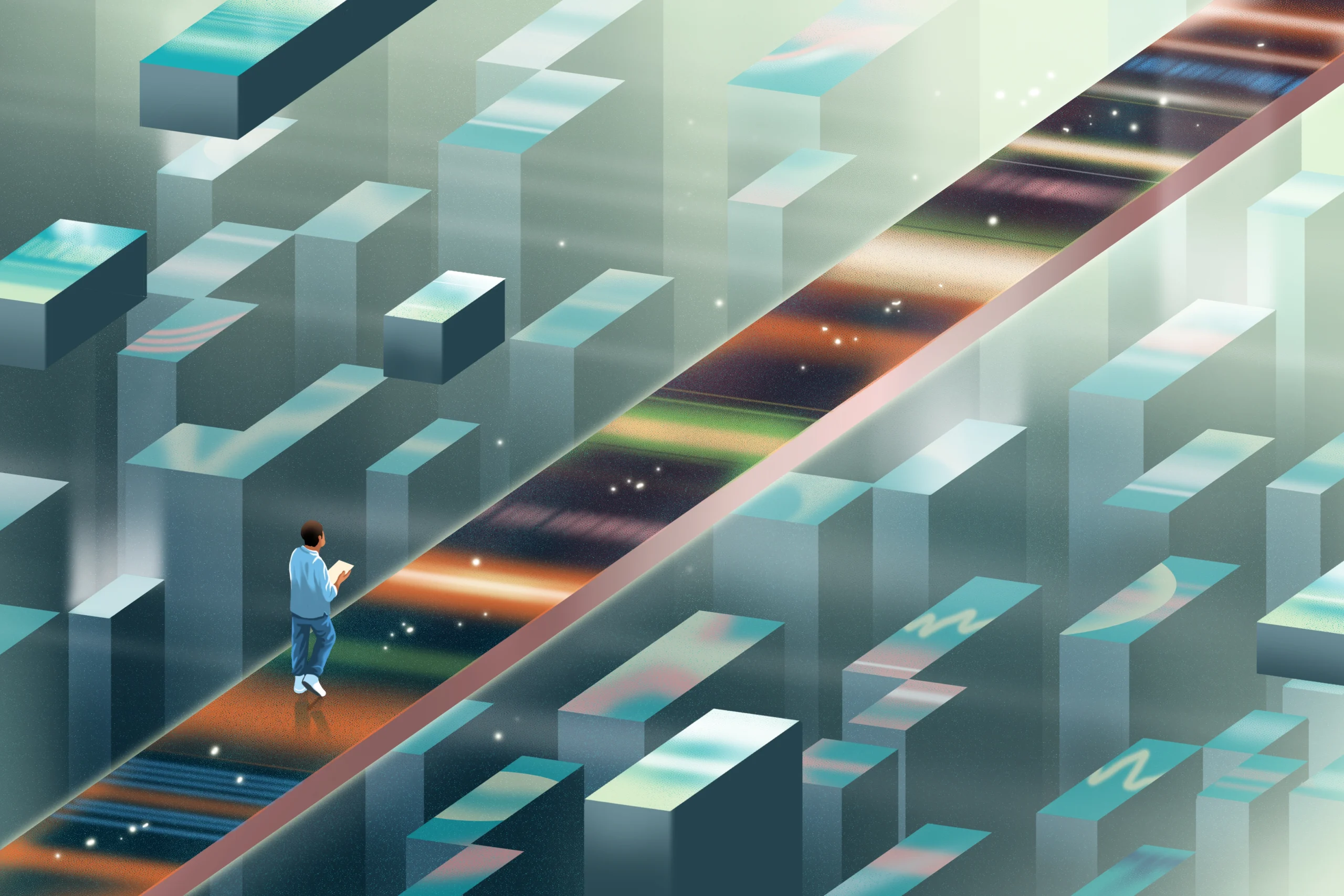
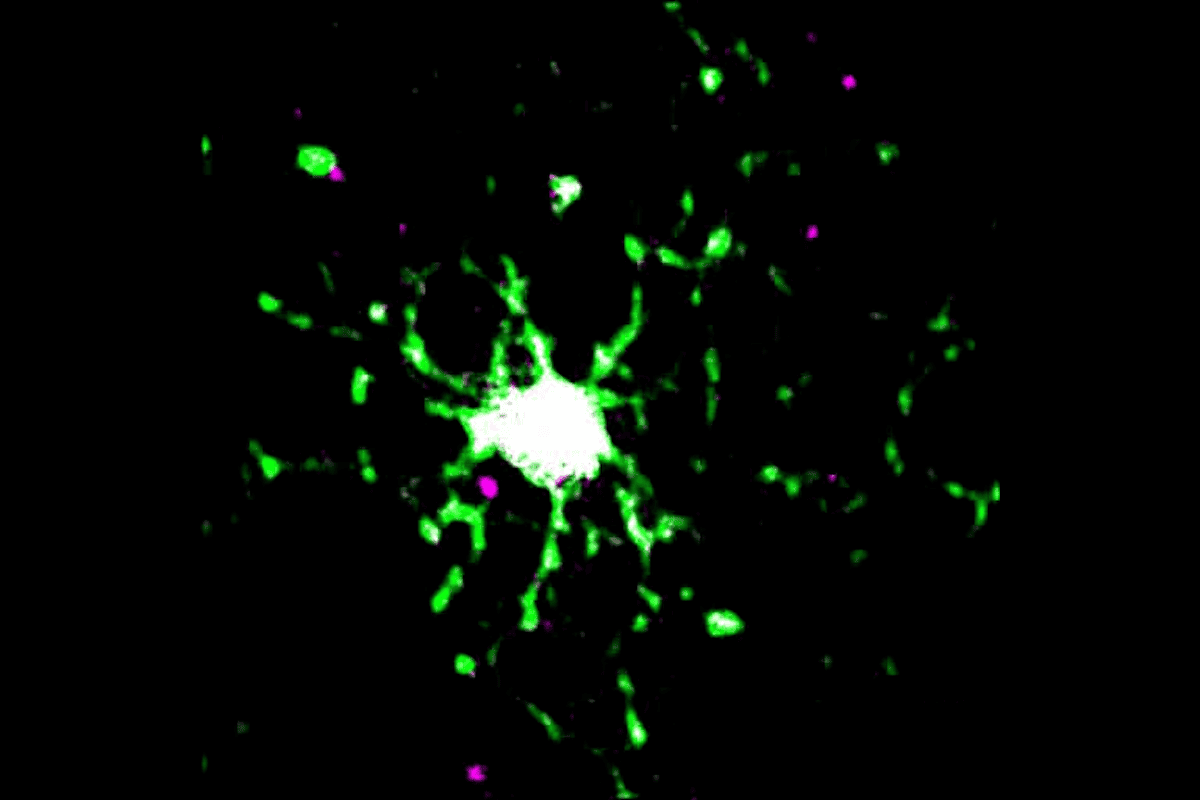
Microglia don't just prune synapses; they also reach into axons and scoop out organelles containing cellular debris, a new preprint reports, calling it "skoupocytosis." By Siddhant Pusdekar https://www.thetransmitter.org/microglia/microglia-scoop-out-garbage-from-inside-neurons/?utm_source=mastodon&utm_medium=org-social&utm_campaign=20260923-news-microglia-scoop-out-garbage-from-inside-neurons
Microglia scoop out garbage from inside neurons
The Transmitter: Neuroscience News and Perspectives

Microglia scoop out garbage from inside neurons

Through a newly identified process called skoupocytosis, neurons recruit the immune cells to remove cellular waste they find hard to deal with themselves.

6
0
4
0
Open post
The Transmitter @thetransmitter@mastodon.social
· 3mo ago
Emerging evidence suggests that the cell’s powerhouses do more than supply energy to the brain. Mitochondria may help synapses communicate, shape memory and even influence behavior. By Giorgia Guglielmi https://www.thetransmitter.org/mitochondria/the-fast-expanding-repertoire-of-mitochondria-in-the-brain/?utm_source=mastodon&utm_medium=org-social&utm_campaign=20260703-news-the-fast-expanding-repertoire-of-mitochondria-in-the-brain
How the brain’s power plants may also influence its function
The Transmitter: Neuroscience News and Perspectives

How the brain’s power plants may also influence its function

Mitochondria are not just cellular powerhouses; they actively help synapses communicate, shape memory and even influence behavior.

9
0
5
0
Open post
The Transmitter @thetransmitter@mastodon.social
· 5mo ago

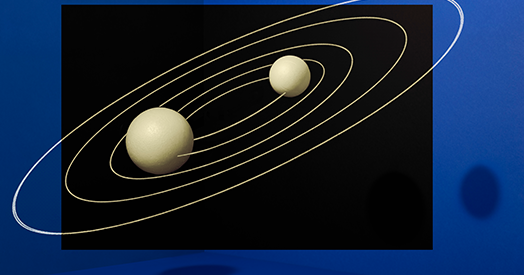
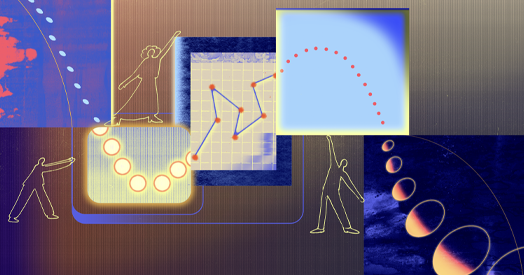
Prediction without understanding sustained astronomy through a thousand years of epicycles, writes Anthony Zador. AI is now offering neuroscience the same deal.

https://www.thetransmitter.org/machine-learning/can-ai-do-neuroscience-without-understanding/?utm_source=mastodon&utm_medium=org-social&utm_campaign=20260427-perspectives-can-AI-do-neuroscience-without-understanding

Can AI do neuroscience without understanding?
The Transmitter: Neuroscience News and Perspectives

Can AI do neuroscience without understanding?

Prediction without understanding sustained astronomy through a thousand years of epicycles. Artificial intelligence is now offering neuroscience the same deal.

11
1
6
2
Open post
The Transmitter @thetransmitter@mastodon.social
· 6mo ago

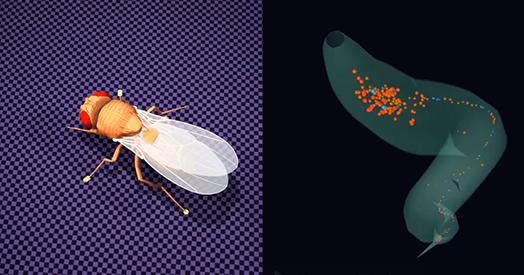
A new preprint shows that deep learning can make a fly walk realistically using a worm’s brain — exposing a fundamental problem with how connectome models are being built and sold to investors.

By Natalia Mesa

https://www.thetransmitter.org/systems-neuroscience/digital-sphinx-raises-questions-about-connectome-models/?utm_source=mastodon&utm_medium=org-social&utm_campaign=20260402-news-digital-sphinx-raises-question-about-connectome-models

‘Digital sphinx’ raises questions about connectome models
The Transmitter: Neuroscience News and Perspectives

‘Digital sphinx’ raises questions about connectome models

The sphinx, with a worm’s brain and a fly’s body, illustrates the potential pitfalls of using deep-learning techniques to model biological processes.

9
0
6
1
Open post
The Transmitter @thetransmitter@mastodon.social
· 6mo ago

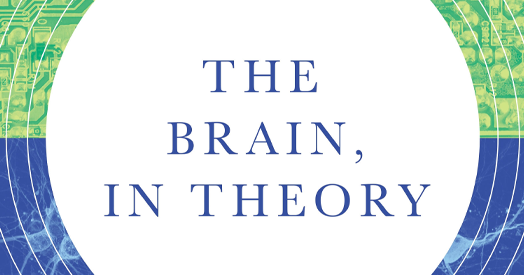
In his new book, @romainbrette@mastodon.social pushes back against theories that describe the brain as a “biological computer.” In this excerpt, he challenges equating brain evolution with programming, and the universality of neural network models.

https://www.thetransmitter.org/theoretical-neuroscience/the-brain-in-theory-an-excerpt/?utm_source=mastodon&utm_medium=org-social&utm_campaign=20260407-book-excerpt-romain-brette

‘The Brain, In Theory,’ an excerpt
The Transmitter: Neuroscience News and Perspectives

‘The Brain, In Theory,’ an excerpt

In his new book, Brette pushes back against theories that describe the brain as a “biological computer.” In this excerpt from Chapter 4, he challenges equating brain evolution with programming…

7
1
5
0
Open post
The Transmitter @thetransmitter@mastodon.social
· 5mo ago

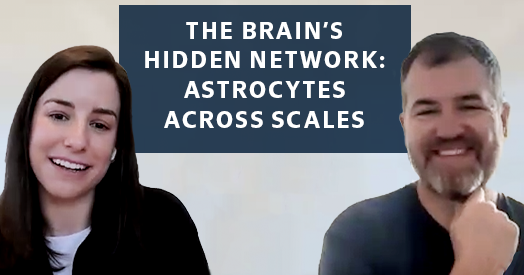
Mac Shine talks with Melissa Cooper about her new work showing that astrocytes—long dismissed as the brain’s housekeepers—are wired together in precise, long-range networks that remodel in response to experience.

https://www.thetransmitter.org/astrocytes/the-silent-majority-how-astrocytes-shape-the-brain-across-scales/?utm_source=mastodon&utm_medium=org-social&utm_campaign=20260512-q-a-how-astrocytes-shape-brain-scales

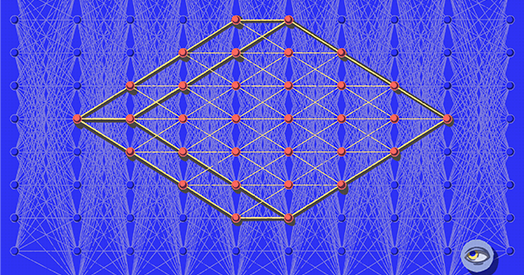
How a hidden network of astrocytes shapes the brain
The Transmitter: Neuroscience News and Perspectives

How a hidden network of astrocytes shapes the brain

Astrocytes are wired together in precise, long-range networks that remodel in response to experience, according to new research.

4
0
5
0
Open post
The Transmitter @thetransmitter@mastodon.social
· 4mo ago

Myelin may serve as an energy reserve for the brain, according to recent studies. Carlos Matute argues that these findings might mean that structure and metabolism should no longer sit in separate boxes.

https://www.thetransmitter.org/metabolism/beyond-glucose-the-brain-may-feed-itself/?utm_source=mastodon&utm_medium=org-social&utm_campaign=20260526-perspectives-beyond-glucose

Beyond glucose: The brain may feed itself
The Transmitter: Neuroscience News and Perspectives

Beyond glucose: The brain may feed itself

Myelin may serve as an energy reserve for the brain, and neuroscientists are rethinking how the brain stores, shares and protects energy.

3
2
1
0
Open post
The Transmitter @thetransmitter@mastodon.social
· 4mo ago

Exploring why Claude develops something like emotion could ultimately help us better understand the function that emotions serve in humans, writes @NicoleCRust@neuromatch.social.

https://www.thetransmitter.org/emotion/what-can-ai-teach-us-about-emotions/?utm_source=mastodon&utm_medium=org-social&utm_campaign=20260518-perspectives-what-ai-can-teach-us-about-emotions

What can AI teach us about ‘emotions’?
The Transmitter: Neuroscience News and Perspectives

What can AI teach us about ‘emotions’?

Exploring why Anthropic’s AI, Claude, displays something like emotion could ultimately help us better understand the function that emotions serve in humans.

3
0
1
3
Open post
The Transmitter @thetransmitter@mastodon.social
· 5mo ago

By designing decision-making tasks that vary along multiple dimensions and truly challenge our animals, we might finally understand how multiple brain areas coordinate to drive decisions, writes Chand Chandrasekaran.

https://www.thetransmitter.org/decision-making/to-understand-decision-making-we-need-to-truly-challenge-lab-animals/?utm_source=mastodon&utm_medium=org-social&utm_campaign=20260420-perspectives-to-understand-decision-making-challenge-lab-animals

To understand decision-making, we need to truly challenge lab animals
The Transmitter: Neuroscience News and Perspectives

To understand decision-making, we need to truly challenge lab animals

Complex, multidimensional tasks that unfold over time could reveal how different brain areas work together to support decisions.

4
0
1
1
Open post
The Transmitter @thetransmitter@mastodon.social
· 5mo ago

In the latest “This paper changed my life,” Maria Geffen shares how John Hopfield’s neural networks taught her to always ground research questions in biology.

https://www.thetransmitter.org/this-paper-changed-my-life/this-paper-changed-my-life-appreciating-john-hopfields-brilliant-neural-network/?utm_source=mastodon&utm_medium=org-social&utm_campaign=20260515-tpcml-maria-geffen

This paper changed my life: Appreciating John Hopfield’s brilliant neural network
The Transmitter: Neuroscience News and Perspectives

This paper changed my life: Appreciating John Hopfield’s brilliant neural network

The Nobel laureate created his namesake recurrent neural network and taught Maria Geffen to always ground research questions in biology.

3
0
2
0
Open post
The Transmitter @thetransmitter@mastodon.social
· 4mo ago

Mice use the same thalamocortical pathway to decode orientation selectivity established by Hubel and Wiesel in cats, showing that this visual feature “is preserved through evolution,” says Jose-Manuel Alonso.

By Claudia López Lloreda

https://www.thetransmitter.org/vision/unbelievably-beautiful-evidence-extends-nobel-prize-winning-model-of-vision/?utm_source=mastodon&utm_medium=org-social&utm_campaign=20260528-news-beautiful-evidence-extends-nobel-prize-winning

‘Unbelievably beautiful’ evidence extends model of vision
The Transmitter: Neuroscience News and Perspectives

‘Unbelievably beautiful’ evidence extends model of vision

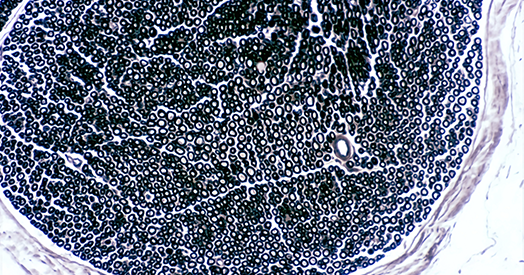
Orientation tuning—the ability to distinguish a horizontal line from a vertical one or something in between—originates in the visual cortex.

2
0
1
0
Open post
The Transmitter @thetransmitter@mastodon.social
· 5mo ago

Paul Middlebrooks talks with Liset M. de la Prida about how her efforts to understand the varieties of sharp wave ripples in the hippocampus led to her discovery that specific types of neurons control the properties of neural manifolds.

https://www.thetransmitter.org/brain-inspired/liset-de-la-prida-explains-how-neuron-subtypes-may-control-the-activity-of-large-neural-populations-from-manifolds-to-ripples/?utm_source=mastodon&utm_medium=org-social&utm_campaign=20260422-bi-pod-liset-de-la-prida

Liset de la Prida explains how neuron subtypes may control the activity of large neural populations, from manifolds to ripples
The Transmitter: Neuroscience News and Perspectives

Liset de la Prida explains how neuron subtypes may control the activity of large neural populations, from manifolds to ripples

De la Prida's work analyzing the varieties of sharp wave ripples in the hippocampus led to her discovery that specific types of neurons control the properties of neural manifolds.

3
0
1
0
Open post
The Transmitter @thetransmitter@mastodon.social
· 4mo ago

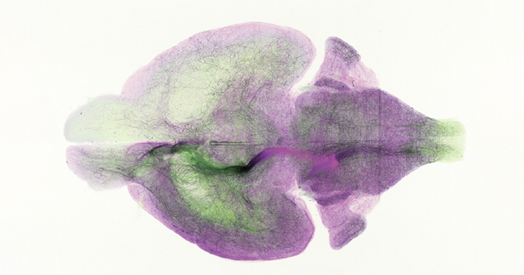
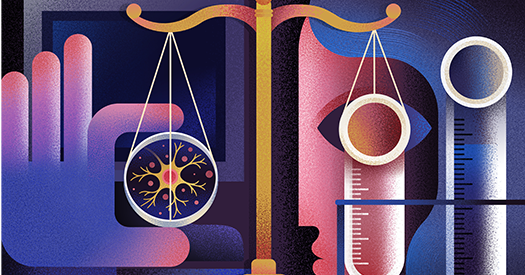
The locus coeruleus, which provides norepinephrine to the rest of the brain, is even more spatially and functionally diverse than previously thought, new findings suggest.

By Holly Barker

https://www.thetransmitter.org/locus-coeruleus/brains-blue-spot-possesses-unexpected-structure-function-ties/?utm_source=mastodon&utm_medium=org-social&utm_campaign=20260526-brains-blue-spot

Brain’s blue spot possesses unexpected structure-function ties
The Transmitter: Neuroscience News and Perspectives

Brain’s blue spot possesses unexpected structure-function ties

The arrangement of locus coeruleus neurons in mice points to how the structure mediates specific effects across the brain, a new study shows.

2
0
2
0
Open post
The Transmitter @thetransmitter@mastodon.social
· 4mo ago

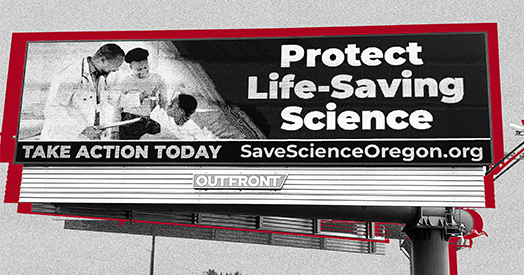
Researchers at a national primate center in Oregon have formed a grassroots nonprofit to argue against the center becoming an animal sanctuary, a transition the facility’s host university has been exploring since February.

By Calli McMurray

https://www.thetransmitter.org/nonhuman-primates/oregon-primate-center-scientists-fight-proposed-sanctuary-transition/?utm_source=mastodon&utm_medium=org-social&utm_campaign=20260521-news-oregon-primate-center-scientists-fight-proposed-sanctuary-transition

Oregon primate center scientists fight proposed sanctuary transition
The Transmitter: Neuroscience News and Perspectives

Oregon primate center scientists fight proposed sanctuary transition

A group of employees has launched a series of campaigns to advocate for their work and argue against the center’s potential transition to an animal sanctuary.

2
0
1
0
Open post
The Transmitter @thetransmitter@mastodon.social
· 5mo ago

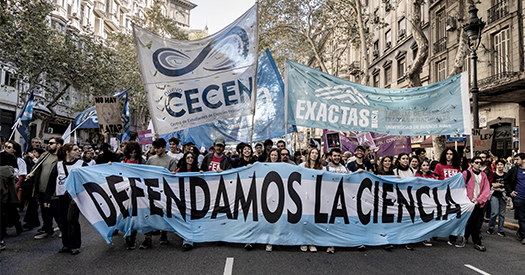
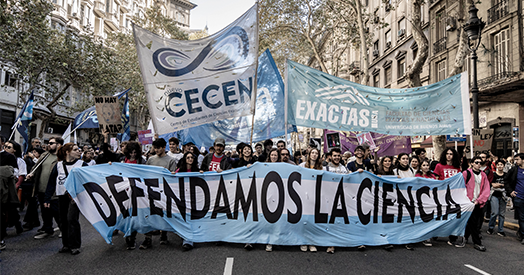
On 12 May, Argentines took to the streets to protest science funding cuts and advocate for salary increases for public university workers.

By Claudia López Lloreda, Natalia Mesa and Anita Pouchard Serra

https://www.thetransmitter.org/funding/argentine-protesters-condemn-science-funding-shortfall/?utm_source=mastodon&utm_medium=org-social&utm_campaign=20260515-argentine-protesters-condemn-science-funding-shortfall

Argentine protesters condemn science funding shortfall
The Transmitter: Neuroscience News and Perspectives

Argentine protesters condemn science funding shortfall

Demonstrators across the country called for the government to increase public university salaries and funding for scientific research.

2
0
3
0
Open post
The Transmitter @thetransmitter@mastodon.social
· 7mo ago
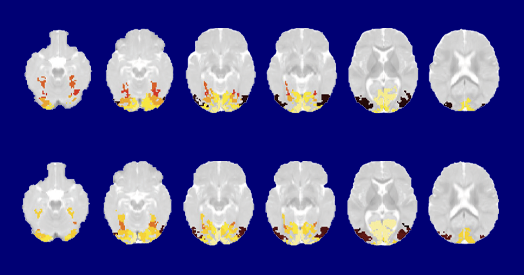
Functional MRI scans of more than 100 2-month-old infants suggest that they are capable of distinguishing among a variety of different objects. The findings challenge perceptions of cognitive development as a gradual process. By Helena Kudiabor https://www.thetransmitter.org/cognitive-neuroscience/infant-visual-system-categorizes-common-objects-by-2-months-of-age/?utm_source=mastodon&utm_medium=org-social&utm_campaign=20260224-news-infant-brain-categorizes-common-objects
Infant brain categorizes common objects by two months of age
The Transmitter: Neuroscience News and Perspectives

Infant brain categorizes common objects by two months of age

Brain activity patterns in the ventral visual cortex appear to distinguish images across 12 categories, including birds and trees, fMRI scans suggest.

3
0
3
0
Open post
The Transmitter @thetransmitter@mastodon.social
· 6mo ago

“Recognizing the scope and impact of heterogeneity in basic neuroscience is essential if we want to understand complex conditions and the brain in health and disease,” write Linda Douw, Klaus Eyer and Lara Keuck.

https://www.thetransmitter.org/science-and-society/embrace-complexity-to-improve-the-translatability-of-basic-neuroscience/?utm_source=mastodon&utm_medium=org-social&utm_campaign=20260409-perspectives-science-society-embrace-complexity-improve-translatability-basic-neuro

Embrace complexity to improve the translatability of basic neuroscience
The Transmitter: Neuroscience News and Perspectives

Embrace complexity to improve the translatability of basic neuroscience

Researchers must learn to view heterogeneity as an essential feature of the systems they study and a central consideration in experimental design, not a variable to control for or reduce.

2
0
1
0
Open post
The Transmitter @thetransmitter@mastodon.social
· 4mo ago

The ethics issues that arise in neuroscience research are usually novel and understudied. Timothy E. Brown argues that ethicists help provide novel and impactful perspectives that contribute to how basic neuroscience research is done.

https://www.thetransmitter.org/neuroethics/every-neuroscience-lab-needs-an-ethicist/?utm_source=mastodon&utm_medium=org-social&utm_campaign=20260527-perspectives-every-neuroscience-lab-needs-an-ethicist

Every neuroscience lab needs an ethicist
The Transmitter: Neuroscience News and Perspectives

Every neuroscience lab needs an ethicist

Embedding ethicists in labs can help scientists navigate ethics issues and develop strategies in real time to prevent harm.

1
0
0
0
Open post
The Transmitter @thetransmitter@mastodon.social
· 4mo ago

Despite growing interest in facilitated-communication techniques, a new review finds studies of these approaches neglect to test authorship, which would help confirm authentic communication.

By Brendan Borrell

1
0
0
0
Open post
The Transmitter @thetransmitter@mastodon.social
· 4mo ago

In disrupting the status quo, AI can help us critically reassess and redefine what neuroscience graduate training should look like—and potentially address long-standing training challenges in novel and innovative ways, writes Taralyn Tan.

https://www.thetransmitter.org/neuro-education/reforming-neuroscience-graduate-education-for-and-with-ai/?utm_source=mastodon&utm_medium=org-social&utm_campaign=20260519-reforming-neuroscience-graduate-education

Reforming neuroscience graduate education for—and with—AI
The Transmitter: Neuroscience News and Perspectives

Reforming neuroscience graduate education for—and with—AI

In disrupting the status quo, artificial intelligence can help us critically reassess and redefine what neuroscience graduate training should look like—and potentially address long-standing training challenges in novel and innovative ways.

1
0
0
0
Open post
The Transmitter @thetransmitter@mastodon.social
· 4mo ago

Personalize your search results with trusted sources. Simply select @thetransmitter@mastodon.social as a Preferred Source in your “source preferences” settings to zoom in faster on news insights and tools geared to help advance your neuroscience career.

1
0
0
0
Open post
The Transmitter @thetransmitter@mastodon.social
· 5mo ago

When writing a grant or reasoning about a problem, artificial intelligence can exert a subtle bias that often goes undetected, even when we’re doing our best to be aware of it, writes Tim Requarth.

https://www.thetransmitter.org/from-bench-to-bot/why-expertise-wont-protect-you-from-ais-influence/?utm_source=mastodon&utm_medium=org-social&utm_campaign=20260504-perspectives-from-bench-to-bot-why-expertise-wont-protect-you-from-ai-influence

Why expertise won’t protect you from AI’s influence
The Transmitter: Neuroscience News and Perspectives

Why expertise won’t protect you from AI’s influence

When writing a grant or reasoning about a problem, AI can exert a subtle, often undetected bias, even when we’re doing our best to be aware of it.

1
0
4
0
Open post
The Transmitter @thetransmitter@mastodon.social
· 5mo ago

More than 1,000 scientists have signed an open letter protesting changes to the European Research Council’s stricter grant application rules.

By Lauren Schenkman

https://www.thetransmitter.org/policy/scientists-push-back-against-stricter-european-research-council-grant-application-rules/?utm_source=mastodon&utm_medium=org-social&utm_campaign=20260429-news-policy-push-back-against-stricter-european-research-council-grant

Scientists push back against stricter European Research Council grant application rules
The Transmitter: Neuroscience News and Perspectives

Scientists push back against stricter European Research Council grant application rules

In an open letter, scientists call the ERC’s suggestion to block grant reapplications for an additional year “at odds with scientific excellence.”…

1
0
5
0
Open post
The Transmitter @thetransmitter@mastodon.social
· 34mo ago

How long-read sequencing will transform neuroscience.

By Tychele Turner

https://www.thetransmitter.org/whole-genome-sequencing/how-long-read-sequencing-will-transform-neuroscience/?utm_source=mastodon&utm_medium=org-social&utm_campaign=20231122-how-long-read-sequencing-will-transform-neuroscience

How long-read sequencing will transform neuroscience
The Transmitter: Neuroscience News and Perspectives

How long-read sequencing will transform neuroscience

New technology that delivers much more than a simple DNA sequence could have a major impact on brain research, enabling researchers to study transcript diversity, imprinting and more.

3
0
6
0
Open post
The Transmitter @thetransmitter@mastodon.social
· 7mo ago

A leader in the field of voltage-gated calcium channel research over the course of a five-decade career, Annette Dolphin was “amongst the luminaries.”

By Michael Eisenstein

https://www.thetransmitter.org/ion-channels/remembering-annette-dolphin-who-helped-explain-gabapentins-effects/?utm_source=mastodon&utm_medium=org-social&utm_campaign=20260313-obit-remembering-annette-dolphin

Remembering Annette Dolphin, who helped explain gabapentin’s effects
The Transmitter: Neuroscience News and Perspectives

Remembering Annette Dolphin, who helped explain gabapentin’s effects

The "intuitive" neuropharmacologist pushed against the status quo.

0
0
2
0
Open post
The Transmitter @thetransmitter@mastodon.social
· 4mo ago

“This year, we really wanted to bring back the interdisciplinary nature of [INSAR].” – Christine Wu Nordahl.

By Diana Kwon

https://www.thetransmitter.org/spectrum/bringing-basic-biology-back-to-insar/?utm_source=mastodon&utm_medium=org-social&utm_campaign=20260528-sp-q-a-bringing-basic-biology-back-to-insar

Bringing basic biology back to INSAR, a Q&A
The Transmitter: Neuroscience News and Perspectives

Bringing basic biology back to INSAR, a Q&A

Basic science has become less dominant at the International Society for Autism Research meeting. Christine Wu Nordahl aims to turn that tide.

0
0
0
0
Open post
The Transmitter @thetransmitter@mastodon.social
· 4mo ago

Throughout his six-decades-long career, Howard Fields became a leading figure in both pain and addiction.

By Natalia Mesa

https://www.thetransmitter.org/pain/in-memoriam-howard-fields-pain-research-pioneer/?utm_source=mastodon&utm_medium=org-social&utm_campaign=20260522-obit-howard-fields

In memoriam: Howard Fields, pain research pioneer
The Transmitter: Neuroscience News and Perspectives

In memoriam: Howard Fields, pain research pioneer

Over six decades, Fields mapped out the circuits of both pain and addiction.

0
0
1
0
Open post
The Transmitter @thetransmitter@mastodon.social
· 4mo ago

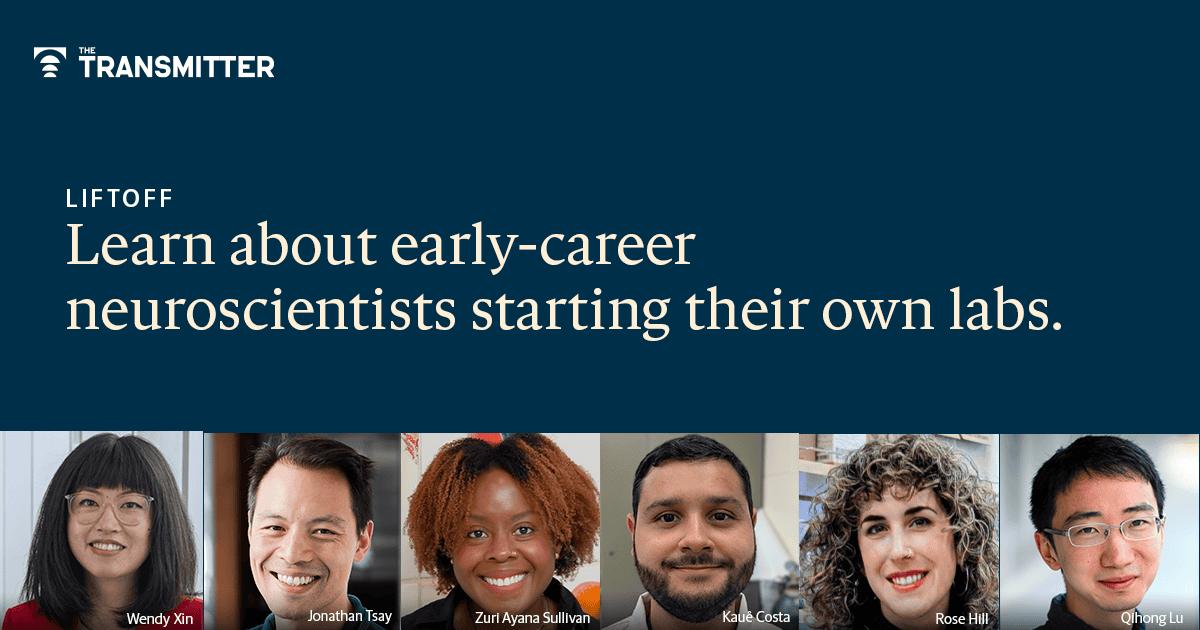
In this month’s “Liftoff,” Jonathan Tsay talks about the need to embrace unpolished drafts and Clara Ortega-de San Luis discusses the importance of team-building activities in the lab. https://www.thetransmitter.org/liftoff-new-lab-alerts-early-career-neuroscientists/?utm_source=mastodon&utm_medium=org-social&utm_campaign=20260521-liftoff-may

By Francisco Rivera Rosario

Liftoff: New lab alerts
The Transmitter: Neuroscience News and Perspectives

Liftoff: New lab alerts

Learn about early-career scientists starting their own labs.

0
1
0
0
Open post
The Transmitter @thetransmitter@mastodon.social
· 4mo ago

“Siento que va a ser difícil que algo cambie para mejor", dice Nara Muraro, neurocientífica en Buenos Aires. “Entonces vas a la protesta de todas formas, pero sabes que no va a servir para nada”.

By Claudia López Lloreda, Natalia Mesa

https://www.thetransmitter.org/funding/manifestantes-argentinos-denuncian-el-recorte-al-financiamiento-cientifico/?utm_source=mastodon&utm_medium=org-social&utm_campaign=20260520-news-slideshow-manifestantes-argentinos

Manifestantes argentinos denuncian el recorte al financiamiento científico
The Transmitter: Neuroscience News and Perspectives

Manifestantes argentinos denuncian el recorte al financiamiento científico

Manifestantes alrededor del país exigieron al gobierno que aumente los salarios de las universidades públicas y el financiamiento para la investigación científica.

0
0
0
0
Open post
The Transmitter @thetransmitter@mastodon.social
· 4mo ago

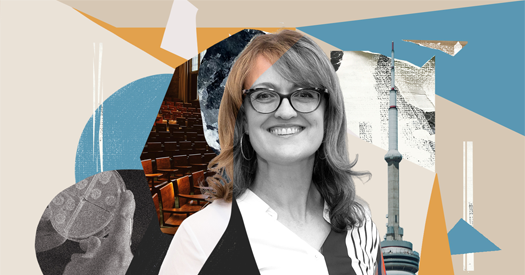
In the latest entry in our Frameshift series, Suzanne Wood discusses the perks of being a teaching neuroscience professor.

By Katie Moisse

https://www.thetransmitter.org/frameshift/the-secretly-awesome-side-of-a-teaching-career/?utm_source=mastodon&utm_medium=org-social&utm_campaign=20260520-frameshift-q-a-the-secretly-awesome-side-of-teaching

The ‘secretly awesome’ side of a teaching career
The Transmitter: Neuroscience News and Perspectives

The ‘secretly awesome’ side of a teaching career

The freedom to do “wacky” research projects that interest you is a major perk of the teaching stream, says Suzanne Wood, a teaching professor at the University of Toronto.

0
0
0
0
Open post
The Transmitter @thetransmitter@mastodon.social
· 5mo ago

Basic neuroscientists need to connect with the broader autism community—here are six steps that can help.

By Juliana Chase, Hannah R. Monday and Lea Witkowsky

https://www.thetransmitter.org/spectrum/how-basic-neuroscientists-can-connect-with-autistic-people-and-their-communities/?utm_source=mastodon&utm_medium=org-social&utm_campaign=20260514-how-basic-neuroscientists-can-connect-with-autistic-people

How basic neuroscientists can connect with autistic people
The Transmitter: Neuroscience News and Perspectives

How basic neuroscientists can connect with autistic people

A first-of-its-kind workshop offers a template for autism researchers who want to incorporate community perspectives into their work.

0
0
0
0
Open post
The Transmitter @thetransmitter@mastodon.social
· 5mo ago

AI is pushing scientific publishing to the brink. For a field as sprawling as neuroscience, the crisis may also be an opportunity to finally connect findings across subfields, writes Tim Requarth.

https://www.thetransmitter.org/from-bench-to-bot/the-next-unit-of-science-is-the-scientific-paper-due-to-be-replaced/?utm_source=mastodon&utm_medium=org-social&utm_campaign=20260511-perspectives-bench-to-bot-is-the-scientific-paper-due-to-be-replaced

Is the scientific paper due to be replaced?
The Transmitter: Neuroscience News and Perspectives

Is the scientific paper due to be replaced?

AI is pushing scientific publishing to the brink. For neuroscience, the crisis may be an opportunity to finally connect findings across subfields.

0
0
0
0
Back
313k7r1n3
Elektrine

Tor hidden service

elekhj7afj4qnrr4yd3bkzslsyo5jgfxw3orgjkhlcxifueodybyiiad.onion

I2P eepsite

j6b6cyk6gjmepjih7jjadxgxvvf3lzzujljuu2v4biemzpg3naya.b32.i2p

Platform

  • Email
  • Chat
  • Timeline
  • VPN
  • DNS

Company

  • About
  • Pricing
  • Contact
  • FAQ
  • Lite (no JS)

Legal

  • Terms of Service
  • Privacy Policy
  • Transparency Report
  • Report Abuse
  • Warrant Canary
  • VPN Policy

Support

  • support@elektrine.com
  • Report Security Issue
Mail client setup IMAP mail.elektrine.com:993 POP3 mail.elektrine.com:995 SMTP mail.elektrine.com:465
© 2026 Elektrine. All rights reserved. Server: 22:31:10 UTC