Hello, friends.
I feel embarrassed to keep repeating my request, but I urgently need €300. After four days of trying, I have managed to raise only €80 so far.
I need the remaining amount for essential, basic necessities. I am a mother and a father to my children, and I have no one here with me.
https://gofund.me/83e09b493
https://gaza-verified.org/people/@nada@manganiello.eu/
#Fediforgaza
#Gaza #Palestine #StandWithGaza #MutualAid #Humanity #SupportPalestine #SaveLives #EmergencyRelief
Remote
Nada
@nada@manganiello.eu
 akkoma 3.19.0-445-g78584918-blacklight-dev
Nada EE
I live in Gaza.
I studied Information Technology.
I love reading and writing alongside my studies.
I am a mother and father to my children—their father was injured during the war on Gaza City, and I became responsible for this family amid the complete lack of resources.
My donation link⬇️
https://gofund.me/83e09b493
https://gaza-verified.org/people/@nada@manganiello.eu/
Here is the link to my blog.⬇️⬇️⬇️
@selene@blog.gaza.onl
I live in Gaza.
I studied Information Technology.
I love reading and writing alongside my studies.
I am a mother and father to my children—their father was injured during the war on Gaza City, and I became responsible for this family amid the complete lack of resources.
My donation link⬇️
https://gofund.me/83e09b493
https://gaza-verified.org/people/@nada@manganiello.eu/
Here is the link to my blog.⬇️⬇️⬇️
@selene@blog.gaza.onl
754 Followers
1156 Following
50 Posts
انضم في:
26/03/2026
Gaza Verified:
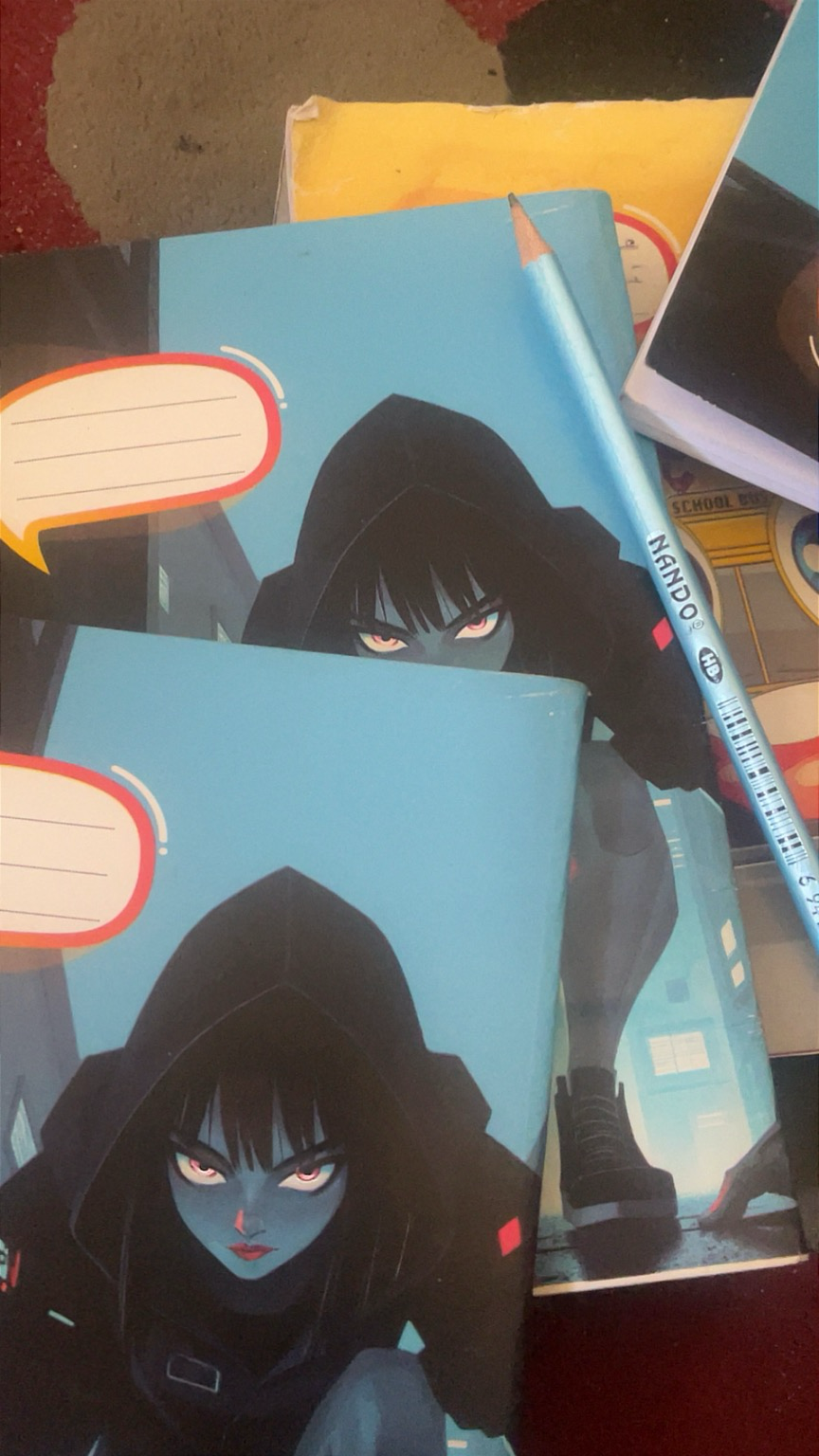
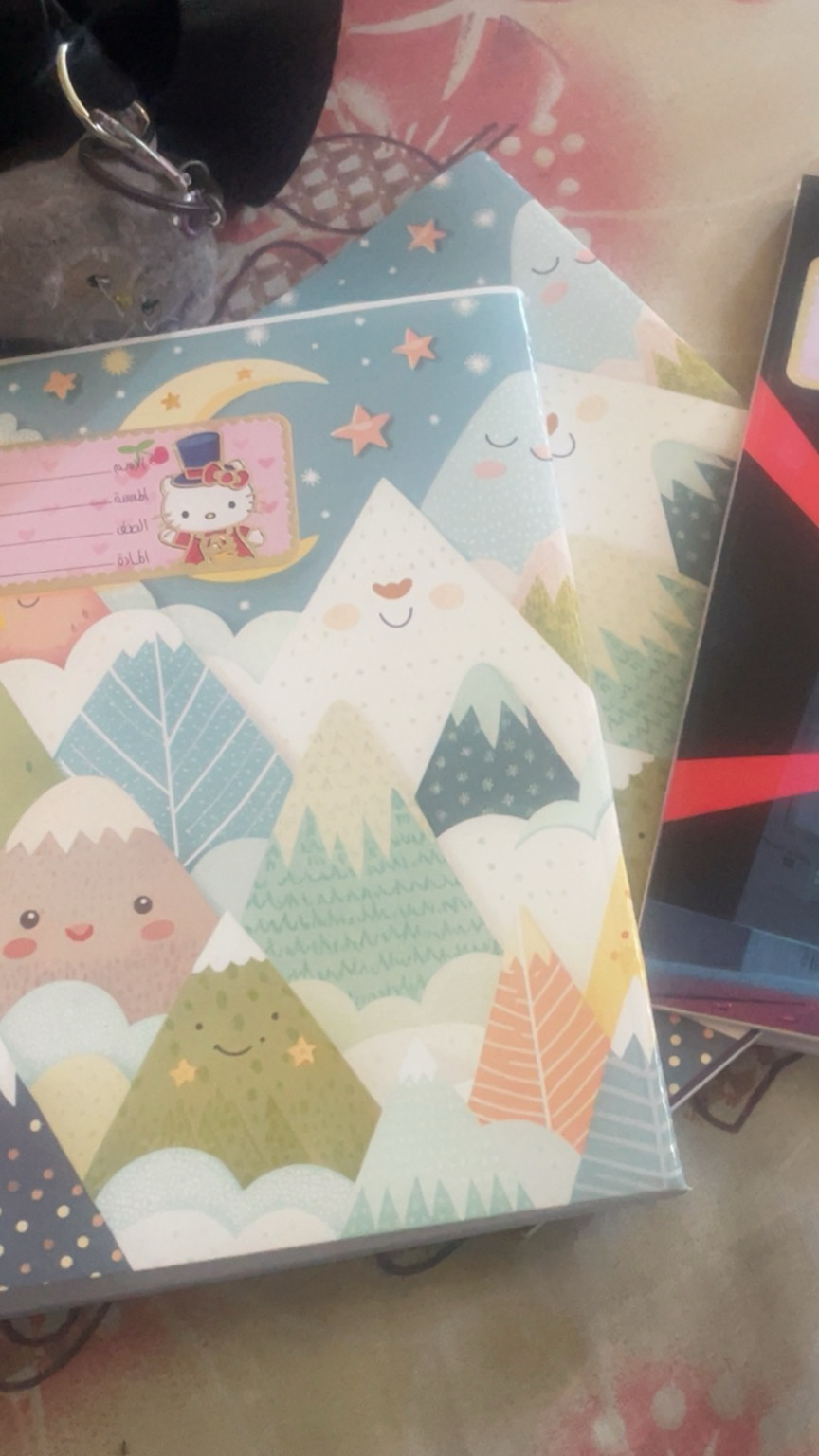
Today, my children started their new school year, but the public schools they once attended have been destroyed, leaving us with no choice but to send them to paid educational tents.
The fee is 100 shekels (around $35) per child, and I have three children. They also need notebooks and school supplies, and I have bought a few notebooks temporarily despite the high prices.
Could you help me cover their school fees and basic supplies? Your support gives them a chance to continue their education despite everything. ❤️
Support link for my family ⬇️⬇️⬇️⬇️
https://gofund.me/83e09b493
https://gaza-verified.org/people/@nada@manganiello.eu/
#Fediforgaza#Gaza #Palestine #StandWithGaza #MutualAid #Humanity #SupportPalestine #SaveLives #EmergencyRelief
In the first week of the war, Fatima Nofal was a mother to five little dreams. She had no idea that a single day would turn her life into a story too heavy for any heart to bear.
That day, an Israeli airstrike shattered her family. Amin, Hamza, and her infant son, Ahmad, were killed.
The hardest part was not only losing them—it was the way she had to say goodbye. Rescuers brought her tiny, unrecognizable remains, and no one could tell whether they belonged to Hamza or Amin. As for Ahmad, the youngest of them all, his tiny body was pulled from beneath the rubble.
Fatima survived, but she did not emerge the same woman. She escaped with her two daughters—Baraa, who was wounded in the attack, and Lina—while a part of her heart remained buried beneath the ruins alongside her children.
Months passed, each one unbearably heavy, until God blessed her with another son. She named him Zaid.
To Fatima, Zaid was never just another child. He was life knocking once again on a door that grief had long since closed. She often looked at him as though God Himself was gently comforting her exhausted heart, saying, “He is the gift that restored a piece of my soul.”
And he truly was.
With a smile softened by tears, she would say:
“By the time he was nine months old, he would imitate his sisters when they raised their hands for prayer. He would lift his tiny hands and try to prostrate himself, like a little angel sent to fill our home with peace once again.”
As Zaid grew, so did the fragments of Fatima’s broken spirit. Every laugh, every small step, every innocent smile reminded her that even in the deepest darkness, life could still make a flower bloom among the rubble.
But Gaza rarely allows its mothers to hold on to joy for long.
The little boy who was born in the midst of genocide… was taken by it as well.
In another airstrike, Zaid was killed. Fatima and her daughter Lina were wounded, and once again she found herself lying in a hospital bed, carrying the same wound she had believed was finally beginning to heal.
As she prepared to say goodbye to her fourth child, the doctor looked at her blood test results, then quietly said:
“You’re pregnant.”
For a moment, time stood still.
She could not understand how one heart could possibly carry so much at once—mourning the child who had just slipped away while, in the very same moment, receiving the news of another life growing inside her.
She wept.
Not only because she had lost Zaid, but because she realized that this war had forced the mothers of Gaza to live suspended between funerals and births, between graves and delivery rooms, between one child leaving the world and another arriving—bringing with them both hope… and fear.
This is not only Fatima’s story.
It is the story of a mother in Gaza. Every time war steals another piece of her heart, life struggles to place another piece back into her hands.
And somewhere between unbearable loss and fragile hope, a mother’s heart remains the only miracle that never stops loving, no matter how many tragedies it is forced to endure.
https://gofund.me/83e09b493
#Gaza #Palestine #StandWithGaza #MutualAid #Humanity #SupportPalestine #SaveLives #EmergencyRelief
A painful subject that I hope we can talk about honestly, without sugarcoating it…
We see women and girls from Gaza who are still living inside the Strip and who deserve every bit of respect and appreciation.
They are an honorable reflection of our people and our homeland—holding on to their dignity and preserving their values despite the war, loss, displacement, and all the cruelty surrounding them.
At the same time, there are other scenes that are painful and embarrassing…
Girls both inside and outside Gaza are going live on TikTok, presenting the suffering of Gaza and its people through begging and emotional appeals, while their own accounts show lives filled with shopping malls, trips, parties, nights out, and displays of luxury.
It is shameful… truly shameful.
It is shameful to use the name of Gaza as a means of showing off or collecting gifts and money.
It is shameful for people’s pain, hunger, displacement, tents, and losses to become content that is exploited for personal gain.
Gaza is not a commodity.
The suffering of its people is not a tool for begging.
And people’s pain is not material for entertainment or self-promotion.
There is such a thing as dignity…
And there is also the image of an entire homeland whose name we carry, making us responsible for how others see it.
Today, donations have often become concentrated among people who have been running established initiatives since the beginning of the war, or among those who ask for help through emotional appeals such as: “We have no food… look at our tent… look at our situation.”
Meanwhile, many people who lived with dignity, who had enough before the war, and then lost their homes, money, and livelihoods, continue to suffer in silence—because their dignity prevents them from turning their tragedy into a daily spectacle for others.
And here lies the painful irony:
Silence and dignity can cause those who genuinely need help to be forgotten, while those who are good at putting on a show and appealing to people’s emotions receive more and more attention.
To the families of Gaza… pay attention to your daughters.
And pay even more attention to the image of Gaza that is being presented in your name and in the name of your families.
We are not against someone asking for help when they genuinely need it.
Nor are we against donations reaching those who truly deserve them.
But we are against turning tragedy into a business, and turning poverty and destruction into a means of creating content and collecting gifts.
Protect the name of #Gaza…
It is not merely the name of a city.
It is history, dignity, people, pain, and a responsibility that we all carry.
Enough… والله، enough.
https://gofund.me/83e09b493
#Gaza #Palestine #StandWithGaza #MutualAid #Humanity #SupportPalestine #SaveLives #EmergencyRelief
Good morning…
A good morning from Gaza, as it was before the war—a city that awoke to the light of the sea, breathed life into every corner, and planted hope in every heart.
I’m sharing these photos because I believe memories never die, and beautiful places deserve to have their stories told.
I hope that one day Gaza will return to what we once knew: vibrant with life, filled with warmth and peace.
For the sake of hope, we will always believe that tomorrow can be brighter.
Photos from my phone.
https://gofund.me/83e09b493
#Gaza #Palestine #StandWithGaza #MutualAid #Humanity #SupportPalestine #SaveLives #EmergencyRelief
Yesterday, I spoke about the corruption of some organizations and self-proclaimed aid initiatives. Today, I don’t need many words.
This is the message my friend received from World Central Kitchen, inviting her to collect used cooking pots—as if everything we have lost could be replaced with items that someone else no longer needs.
I have attached the message exactly as she received it, along with photos of the pots. I have also included a photo of a small corner of my own kitchen before the war.
That kitchen was not a luxury. It was part of a normal life that we built through years of hard work, sacrifice, and dedication.
We lost our homes, our furniture, our savings, our jobs, and our dreams. I had a home, a fully furnished kitchen, a car, and a piece of land. All of it is gone.
But despite everything we have lost, we have not lost our dignity.
We are not beggars, and we are not asking for what others have discarded. We are human beings whose lives were taken from us by force. We deserve to have our suffering treated with respect, and to receive support that preserves our dignity—not assistance that humiliates us.
Please help us protect the only thing we still have left: our dignity.
https://gofund.me/83e09b493
#Gaza #Palestine #StandWithGaza #MutualAid #Humanity #SupportPalestine #SaveLives #EmergencyRelief
Hello my friends 🤍
I haven’t received any support for a week, and I urgently need help covering some essential and important needs.
Could you help me raise €300?
Even a small contribution or simply sharing this post would mean so much to me.
Thank you from the bottom of my heart to everyone who helps me. 🙏
https://gofund.me/83e09b493
https://gaza-verified.org/people/@nada@manganiello.eu/
#Fediforgaza
#Gaza #Palestine #StandWithGaza #MutualAid #Humanity #SupportPalestine #SaveLives #EmergencyRelief
I haven’t received any support for a week, and I urgently need help covering some essential and important needs.
Could you help me raise €300?
Even a small contribution or simply sharing this post would mean so much to me.
Thank you from the bottom of my heart to everyone who helps me. 🙏
https://gofund.me/83e09b493
https://gaza-verified.org/people/@nada@manganiello.eu/
#Fediforgaza
#Gaza #Palestine #StandWithGaza #MutualAid #Humanity #SupportPalestine #SaveLives #EmergencyRelief
Could you please share this? It is truly urgent.
Every family in Gaza deserves to have someone hear their voice. 💔💔💔💔
Could you please share my post so it can reach donors who give support without looking only at fundraising lists, but also at the broader picture of what families in Gaza actually need?
Sometimes I ask myself: how much does a family of six need each week to live with dignity, given the current prices in Gaza?
If we take the most basic necessities into account:
wood or fuel for cooking, the cost of electricity to charge phones, school fees for each child, bread and food, and medication when someone in the family is sick — bearing in mind that medicine is extremely expensive — as well as the fact that many goods in Gaza still cost several times more than they do outside Gaza, even after some prices have fallen.
A family of six may need around $500 a week simply to cover these basic needs and live with a measure of dignity and stability.
But there is a question I believe we need to ask: Why don’t donors distribute their support more evenly?
Why do some families continue to receive thousands of dollars every week, while other families receive only a few dollars?
I do not look at what others receive with jealousy, nor do I wish to deprive anyone of support. Every family has its own circumstances, and everyone living in Gaza deserves help.
But I believe that continuing to pour large amounts of money into certain campaigns while leaving other families without support can, in the long run, do more harm than good.
The purpose of donations should be to help people get through their crisis, not to turn support into permanent dependence or a competition to collect as much as possible. Nor can anyone guarantee that large donations will continue indefinitely. When donations suddenly decline, a person may find themselves facing an even more difficult reality than before.
That is why I hope donors will look at the bigger picture, distribute their support as fairly as possible, and give a chance to families whose voices are not reaching people.
And I also have a question: if a campaign is raising $3,000 a week, or even more than $1,000, why does its organizer continue to pressure and exhaust others by constantly asking for more, while other families cannot even find someone willing to hear them?
I do not believe genuine solidarity should be a competition.
In Gaza, there are many families who need a chance — not for their voices to be drowned out by others.
Please help those who genuinely need it, and look at small campaigns with the same attention you give to large ones. Behind a campaign that has raised only a few dollars, there may be a family that has been waiting for days just to afford bread, medicine, or basic necessities for their children.
Here is the support link for my family ⬇️⬇️⬇️
https://gofund.me/83e09b493
https://gaza-verified.org/people/@nada@manganiello.eu/
#Fediforgaza#Gaza #Palestine #StandWithGaza #MutualAid #Humanity #SupportPalestine #SaveLives #EmergencyRelief
#غزة #Gaza
Replying to
@simon_brooke@mastodon.scot@maltita@neopaquita.es@gvenema@fairmove.net@aral@mastodon.ar.al@fabio@manganiello.eu@tekul@glasgow.social@AnnaLion@piaille.fr
Can you help me amplify this little boy’s story?
Replying to
@avirr@sfba.social I am one of the people living in Gaza, and I want to draw the world’s attention to the fact that many of us truly receive no aid at all.
I am not the only one. The camp where I live is full of orphaned children, and they, too, receive nothing.
Hello…
To everyone who would like to help me complete my training program, which comes before my return to work and gives me the opportunity to stand on my feet again, you can support me by donating through my link.
This support means much more to me than just financial assistance; it is a step toward rebuilding my life, regaining my independence, and having the ability to create my future once again.
Thank you to every kind heart that reaches out, and to everyone who believes that a person can begin again no matter how difficult the circumstances are.
https://gofund.me/83e09b493
#Gaza #Palestine #StandWithGaza #MutualAid #Humanity #SupportPalestine #SaveLives #EmergencyRelief
My heart stopped.
I was scrolling through the news coming into a channel that had originally been created for work, when I saw a colleague posting these photos of what remained of his son after the rubble was cleared.
He wrote that ever since his son was killed, all he had wished for was to see him one last time… to look at him one last time, to say goodbye to him as a father should be able to say goodbye to his son.
But after an entire year had passed since his son was killed, this was all that reached him…
A collection of bones.
I cried like I had never cried before.
I cried because behind these bones was a father who had waited an entire year, carrying one simple wish in his heart: to see his son and say goodbye to him.
How can a human heart bear this?
How can a person witness so much death, and then return to their life as though nothing had happened?
How do we come out of this life with our minds still intact, carrying all this loss in our memories and all these goodbyes that never happened in our hearts?
And how are we supposed to live with broken hearts, when for some parents, the most they can hope for from their children is simply to find some trace of them beneath the rubble?
https://gofund.me/83e09b493https://gaza-verified.org/people/@nada@manganiello.eu/@fabio@manganiello.eu@aral@mastodon.ar.al@imp3tuz@mastodon.gamedev.place@gimulnautti@mastodon.green@Gustodon@mas.to@Daniel@mastodon.social@337guanacos@xarxa.cloud#Fediforgaza#Gaza #Palestine #StandWithGaza #MutualAid #Humanity #SupportPalestine #SaveLives #EmergencyRelief
An Image That Captures a Scene of Humiliation and Captivity
A new image documents the moment a Palestinian detainee from the Gaza Strip is taken inside an Israeli military vehicle, in a harsh scene that reflects a painful aspect of the reality of captivity and detention.
The image shows the detainee in a deeply bent position inside the vehicle, while two heavily armed Israeli soldiers sit behind him. The scene raises painful questions about the conditions in which Palestinian detainees are held and the way they are treated.
This is not merely a passing moment; it is a heavy image that reminds us that behind every detainee is a human being with dignity and rights—and that human dignity should never be lost when a person is taken into captivity.
https://gofund.me/83e09b493
#Gaza #Palestine #StandWithGaza #MutualAid #Humanity #SupportPalestine #SaveLives #EmergencyRelief
Let the world’s silence continue… An evacuation warning has just been issued for Al-Aqsa Martyrs Hospital.
A prelude to a possible bombing.
Even hospitals, which are supposed to be safe havens for the wounded and sick, are no longer spared from fear.
There are patients who cannot flee, wounded people who cannot even carry their own bodies, and children waiting for treatment… yet they are all being told to leave.
Where are they supposed to go?
And how much longer will the world remain silent?
https://gofund.me/83e09b493
#Gaza #Palestine #StandWithGaza #MutualAid #Humanity #SupportPalestine #SaveLives #EmergencyRelief
Today, I met a very sweet little girl who carries a dream in her heart much bigger than her age. She was suffering from a heart condition, and she held a set of colored pencils in her hands as if they were the most precious things she owned.
I asked her if she had a sketchbook. She said no… but told me that she wished she could learn how to draw.
I smiled at her, then sat beside her on the hospital floor. I couldn’t find any paper, a notebook, or proper drawing supplies… all I had was a piece of cardboard. 🙈
Her colors were poor and worn, and I had to mix many of them together to create something that resembled what I had in mind. The result wasn’t beautiful, and the cardboard was far from being a real canvas… but I wasn’t really trying to make a painting.
I was simply trying to create a small window toward her dream.
I drew the planets she dreams of seeing one day, and talked to her about them as if, for a few moments, we could leave the walls of the hospital behind and travel far away… into the sky.
Maybe the colors weren’t beautiful, and we didn’t even have proper paper, but the look in her eyes when she saw what we had drawn was more beautiful than any painting.
Sometimes, children don’t need much to dream… they just need a hand willing to sit beside them, a few colors, and someone who believes their dreams are worth drawing. 🤍
https://gofund.me/83e09b493
https://gaza-verified.org/people/@nada@manganiello.eu/
#Fediforgaza
#Gaza #Palestine #StandWithGaza #MutualAid #Humanity #SupportPalestine #SaveLives #EmergencyRelief
I asked her if she had a sketchbook. She said no… but told me that she wished she could learn how to draw.
I smiled at her, then sat beside her on the hospital floor. I couldn’t find any paper, a notebook, or proper drawing supplies… all I had was a piece of cardboard. 🙈
Her colors were poor and worn, and I had to mix many of them together to create something that resembled what I had in mind. The result wasn’t beautiful, and the cardboard was far from being a real canvas… but I wasn’t really trying to make a painting.
I was simply trying to create a small window toward her dream.
I drew the planets she dreams of seeing one day, and talked to her about them as if, for a few moments, we could leave the walls of the hospital behind and travel far away… into the sky.
Maybe the colors weren’t beautiful, and we didn’t even have proper paper, but the look in her eyes when she saw what we had drawn was more beautiful than any painting.
Sometimes, children don’t need much to dream… they just need a hand willing to sit beside them, a few colors, and someone who believes their dreams are worth drawing. 🤍
https://gofund.me/83e09b493
https://gaza-verified.org/people/@nada@manganiello.eu/
#Fediforgaza
#Gaza #Palestine #StandWithGaza #MutualAid #Humanity #SupportPalestine #SaveLives #EmergencyRelief
Do you see what I made for her? 🤍
With an old bedsheet, a towel, and an empty cardboard box… I made my cat a little home. It isn’t beautiful or fancy, but it was made with all my heart. All I wished for was to give her a little warmth and a sense of safety.
Winter is approaching, and she has no walls to protect her from the cold, nor a roof to shelter her from the rain. So I tried to make her a little place where she could feel that she wasn’t alone.
I’m going through very difficult circumstances, and sometimes I feel that I can barely help myself… but I have learned something beautiful: compassion doesn’t require much. Sometimes all it takes is a heart that feels the vulnerability of a small creature, and two hands willing to make something simple for it.
And perhaps when we show mercy to a vulnerable creature, God sends His mercy to us from places we never expected, and brings people into our lives who reach out their hands when we need them most.
Her little home is very modest, I know… but to her, it may mean so much.
A small corner where she can hide, something to keep her warm, and a place where she can feel safe.
Just look at how happy she is with it… 🥹🤍
She may not know how much effort it took to make it for her, but she knows one thing: she is loved.
And sometimes… that alone is enough. 🐾🤍
https://gofund.me/83e09b493
https://gaza-verified.org/people/@nada@manganiello.eu/
#Fediforgaza
#Gaza #Palestine #StandWithGaza #MutualAid #Humanity #SupportPalestine #SaveLives #EmergencyRelief
With an old bedsheet, a towel, and an empty cardboard box… I made my cat a little home. It isn’t beautiful or fancy, but it was made with all my heart. All I wished for was to give her a little warmth and a sense of safety.
Winter is approaching, and she has no walls to protect her from the cold, nor a roof to shelter her from the rain. So I tried to make her a little place where she could feel that she wasn’t alone.
I’m going through very difficult circumstances, and sometimes I feel that I can barely help myself… but I have learned something beautiful: compassion doesn’t require much. Sometimes all it takes is a heart that feels the vulnerability of a small creature, and two hands willing to make something simple for it.
And perhaps when we show mercy to a vulnerable creature, God sends His mercy to us from places we never expected, and brings people into our lives who reach out their hands when we need them most.
Her little home is very modest, I know… but to her, it may mean so much.
A small corner where she can hide, something to keep her warm, and a place where she can feel safe.
Just look at how happy she is with it… 🥹🤍
She may not know how much effort it took to make it for her, but she knows one thing: she is loved.
And sometimes… that alone is enough. 🐾🤍
https://gofund.me/83e09b493
https://gaza-verified.org/people/@nada@manganiello.eu/
#Fediforgaza
#Gaza #Palestine #StandWithGaza #MutualAid #Humanity #SupportPalestine #SaveLives #EmergencyRelief
Good evening 🤍
Many of you here have come to know me as someone who has lived through this devastation, and who is still living under bombardment and displacement, trying every day to hold on to whatever remains of life.
I am Nada, both a mother and a father to my children.
My children’s father lost one of his eyes, while the other was severely damaged after he was injured while carrying out humanitarian work with the Ministry of Health. Because of this, I have become responsible for caring for my family and providing for their needs.
I recently went through a severe health crisis that required special care. I am still trying to regain my strength, get back on my feet, and return to my work in university teaching, which I did for two years.
But the road is not easy.
Today, I am facing a major challenge in providing my medical necessities and food, as well as my children’s needs, especially with the beginning of the school year approaching and all the essential supplies it requires.
We are not asking for luxuries, nor are we asking for more than what we need.
We are simply asking for genuine support to help us meet urgent, essential, and deeply personal needs during this difficult time.
If you are able to support me in any way you can, I would be grateful from the bottom of my heart. And if you are unable to donate, simply sharing my post may help our voice reach someone who can.
Thank you to everyone who has stayed with us, and to everyone who takes the time to read, share, or try to ease even a small part of this burden.
🇵🇸🇵🇸
I need around €300 every week, as prices in Gaza are still extremely high.
https://gofund.me/83e09b493
#Gaza #GazaUnderAttack #Gaza
Here is the pain… Here is Gaza.
Today, the earth still carries its heavy testimonies, and stories continue to be pulled from beneath the rubble in heartbreaking silence.
Civil defense teams continue their search among the ruins, where they recovered today the remains of an unidentified martyr from Block (C) in Khan Younis, and transferred them to Nasser Hospital, awaiting the day when his name is known and his identity, hidden by the destruction, is restored.
Another martyr is added to the list of the missing… a soul that has departed, leaving behind only traces among the rubble, while a family may still be waiting for a knock on the door or news that could put an end to the fire of waiting.
In Gaza, stories do not end with the departure of their owners… for even the silence here carries names, memories, and a pain that can never be forgotten.
https://gofund.me/83e09b493
#Gaza #Palestine #StandWithGaza #MutualAid #Humanity #SupportPalestine #SaveLives #EmergencyRelief
#KhanYounis #Gaza
Love in a place where everything was destroyed… except the hearts.
Sometimes, we do not need an entire story to make us cry.
One sentence is enough.
One look.
Or a hand reaching out to us at the exact moment when we are about to fall.
Last night, I was in the hospital for a blood transfusion.
The hours in a hospital are long and heavy, especially when your body is exhausted and you feel as though even time itself is moving painfully slowly.
There, I met a woman in her mid-thirties.
She was sitting near me.
Her face was calm, but it carried the exhaustion of years far beyond her age.
She smiled at me and said:
“Let me keep you company tonight.”
She sat beside me.
And we began to talk.
I had no idea that this woman would leave a story in my heart that I would not easily forget.
After a while, she began telling me about her husband.
Then she said something that made me fall silent:
“Marrying him was the greatest victory this war ever gave me.”
I stayed with that word for a long time.
Victory.
In Gaza, where we have grown accustomed to speaking about losses, this woman was speaking about a victory.
Then she began to tell me her story.
She had been married before, to a teacher.
Her husband was killed in the first year of the war.
At the time, she was a mother of three children.
She said:
**“I lost my home.
I lost my husband.
I lost people I loved.
I lost so many things I once believed I could never live without.
And in the end… we had nothing left.”**
She was displaced to the tents in Khan Younis.
She carried her children with her and tried to protect them from everything.
From the cold.
From hunger.
From fear.
And from a future no one knew how to imagine anymore.
One day, her youngest son became ill.
He contracted a virus that caused severe gastroenteritis, and she had to stay with him in the hospital for many days.
And there…
she met the man who would become her husband.
She told me:
“It never crossed my mind that a man like him could love a woman like me.”
He was an engineer working for an international organization.
He was financially comfortable.
He could have lived a life completely different from hers.
But she did not talk about his money.
She did not tell me that he could provide her with a better life.
She spoke only about his humanity.
About the way he looked at her.
About the respect he showed her.
About the way he cared for her children.
About the little things that, for the first time in a long time, made her feel that she was still a human being…
not merely a woman trying to survive.
He proposed to her.
She said she could hardly believe it.
She would stand in front of the mirror and ask herself:
**“Do I deserve him?
Could a man like him really see me?
How could he choose me… with all this exhaustion, all these children, and all this pain?”**
Then she said:
“Even my first husband was nothing like him.”
And they got married.
He promised her that he would be a father to her children.
And his promise was not just words.
He gave her a beautiful apartment.
After sleeping in a tent, her children finally had a roof over their heads.
After everything around them had become temporary, he gave them something that felt like a home.
He could not give her back her past.
He could not bring her first husband back.
He could not erase the war.
But he did something else.
He gave her safety.
And he cared for her in the little details that people often overlook.
He asked about her.
He checked on her.
He made sure she was okay.
He made her feel that she mattered.
She told me:
“With him, I learned what a real man means.”
Then she smiled.
And said:
**“Whenever I remember everything I have been through, I thank God for the way He healed my heart through him.
He cares about me so much.
And despite how busy he is, he makes me feel that I am one of the most important priorities in his life.”**
I listened to her in silence.
But her story had not yet reached its most painful part.
After they got married, she discovered that she had a heart condition.
She needed surgery.
She told me that the surgery itself was not what frightened her most.
She was not as afraid of death as she was of something else:
That he might change.
That her illness might become a burden to him.
That one day he might feel he had made a mistake by choosing her.
That the look in his eyes—the one that made her feel worthy of love—might disappear.
But none of that happened.
The opposite happened.
The more exhausted she became, the closer he came.
The more frightened she was, the more he reassured her.
Whenever she felt like a burden, he reminded her that she was his wife.
For seven months now, hospitals have become part of her life.
Cold rooms.
White beds.
Tests.
Medication.
Long hours of waiting.
And a fear that never seems to end.
And yet…
he never grew tired of her.
She told me:
**“He taught me a lesson about love.
He never once said, ‘I’m tired of this.’
Because of my illness, I have become more emotional.
Sometimes I become afraid of losing him, so I start an argument even though I know I am the one who is wrong.
Heart disease is not easy.
But every time something happens, he proves to me that being a man is about how you stand by someone… and that love is something you do.”**
Then she fell silent.
Her eyes carried something that words could not explain.
After a few moments, she said:
**“Whenever we have a problem, he holds my hand and says:
I’m here…
I’m here for you.”**
I do not know why those words hurt me so deeply.
Perhaps because when a person becomes exhausted by life, they do not always want very much.
They do not necessarily want a big house.
Or a lot of money.
Or a perfect life.
Sometimes, they simply want…
someone not to leave when they see them at their worst.
They want a hand that will not let go when their own is trembling.
Someone who is not afraid of their tears.
A heart that never makes them feel like a burden.
And a voice that says:
I’m here.
She needs surgery outside Gaza.
And he will go with her.
She told me they will begin their lives again somewhere else.
I listened to her speak about him as though, through him, she was recovering a small piece of the life the war had stolen from her.
Then her phone rang.
She looked at the screen.
Her expression changed.
She smiled.
And answered.
I heard her say:
“Pay attention to your work… enough calls. I’m fine.”
Then she hung up.
About fifteen minutes passed.
Her phone rang again.
It was a message from him.
She opened it.
Read it.
Then smiled.
The message said:
“Are you okay?”
She looked at it.
Then put her phone down.
And I…
was crying.
I was not crying simply because a sick woman was telling me about her husband.
And I was not crying only because the war had taken her home, her first husband, and the life she once knew.
I was crying because I had witnessed something so rare.
I saw a woman who had lost almost everything…
and then found someone who did not try to give the whole world back to her.
He simply…
tried not to make her face it alone.
And sometimes, that is enough.
I saw how one human being can become a homeland for another.
A woman who was displaced from a home to a tent.
Then from the tent to a hospital.
She lost a husband.
She lost her sense of safety.
She lost years of her life.
And then a man came into her life and said, without saying much:
I’m here.
In a place where homes had been destroyed, he built her a home.
In a place where the people she loved had died, he gave her a heart she could lean on.
And in a place where fear had become part of everyone’s life, he tried to give her one simple feeling:
She was not alone.
Perhaps that is why I cried.
Because I thought about how many women have slept in tents, holding their children close and crying silently.
How many women have lost their husbands.
How many women have been forced to be strong—not because they wanted to be, but because life left them no other choice.
And then I thought…
How painful it is to survive an entire war, only to become afraid of losing the last beautiful thing that came into your life after all those losses.
She was afraid he would leave her.
And every time, he would hold her hand and say:
I’m here.
Sometimes, the greatest forms of love are incredibly simple.
Remembering someone’s medicine.
Checking on them just minutes after the last call.
Traveling with them when they are afraid.
Caring for their children as though they were your own.
Seeing their illness without seeing them as a burden.
Seeing their weakness without diminishing their worth.
Holding their hand in the middle of an argument…
and saying:
I will not leave you alone.
War can destroy a home.
It can take a father or a mother, a husband or a child.
It can steal entire years from a person’s life.
But no matter what it does…
it cannot stop one heart from finding another.
That is why, in a place where almost everything has been destroyed…
there are still hearts that know how to love.
There are still people who enter our lives after we have convinced ourselves that every door has closed.
They do not come to give us back what we lost…
but to tell us:
**“I cannot change everything that happened to you.
But I can stay beside you while you face it.”**
And perhaps…
that is what true compensation in life looks like.
To lose a home…
and then find a homeland in a person.
To lose safety…
and then find a hand that does not tremble when it holds yours.
To believe that the war has taken everything from you…
and then have one person prove to you that it could not take away your ability to be loved.
In the end, perhaps the most beautiful thing a person can say to you is not:
“I love you.”
But:
“I’m here.”
And then stay.
I’m here…
when you are sick.
When you are afraid.
When you are angry.
When life becomes too heavy.
I’m here… for you.
And perhaps…
this is the most beautiful victory life can give us after everything we have lost.
To receive your blessing in the form of a person…
at the very moment you thought the wa
had taken everything fromyou
https://gofund.me/83e09b493
#Fediforgaza
#Gaza #Palestine #StandWithGaza #MutualAid #Humanity #SupportPalestine #SaveLives #EmergencyRelief
💔💔💔💔💔 The photo is of Gaza last night.
Sometimes, we do not need an entire story to make us cry.
One sentence is enough.
One look.
Or a hand reaching out to us at the exact moment when we are about to fall.
Last night, I was in the hospital for a blood transfusion.
The hours in a hospital are long and heavy, especially when your body is exhausted and you feel as though even time itself is moving painfully slowly.
There, I met a woman in her mid-thirties.
She was sitting near me.
Her face was calm, but it carried the exhaustion of years far beyond her age.
She smiled at me and said:
“Let me keep you company tonight.”
She sat beside me.
And we began to talk.
I had no idea that this woman would leave a story in my heart that I would not easily forget.
After a while, she began telling me about her husband.
Then she said something that made me fall silent:
“Marrying him was the greatest victory this war ever gave me.”
I stayed with that word for a long time.
Victory.
In Gaza, where we have grown accustomed to speaking about losses, this woman was speaking about a victory.
Then she began to tell me her story.
She had been married before, to a teacher.
Her husband was killed in the first year of the war.
At the time, she was a mother of three children.
She said:
**“I lost my home.
I lost my husband.
I lost people I loved.
I lost so many things I once believed I could never live without.
And in the end… we had nothing left.”**
She was displaced to the tents in Khan Younis.
She carried her children with her and tried to protect them from everything.
From the cold.
From hunger.
From fear.
And from a future no one knew how to imagine anymore.
One day, her youngest son became ill.
He contracted a virus that caused severe gastroenteritis, and she had to stay with him in the hospital for many days.
And there…
she met the man who would become her husband.
She told me:
“It never crossed my mind that a man like him could love a woman like me.”
He was an engineer working for an international organization.
He was financially comfortable.
He could have lived a life completely different from hers.
But she did not talk about his money.
She did not tell me that he could provide her with a better life.
She spoke only about his humanity.
About the way he looked at her.
About the respect he showed her.
About the way he cared for her children.
About the little things that, for the first time in a long time, made her feel that she was still a human being…
not merely a woman trying to survive.
He proposed to her.
She said she could hardly believe it.
She would stand in front of the mirror and ask herself:
**“Do I deserve him?
Could a man like him really see me?
How could he choose me… with all this exhaustion, all these children, and all this pain?”**
Then she said:
“Even my first husband was nothing like him.”
And they got married.
He promised her that he would be a father to her children.
And his promise was not just words.
He gave her a beautiful apartment.
After sleeping in a tent, her children finally had a roof over their heads.
After everything around them had become temporary, he gave them something that felt like a home.
He could not give her back her past.
He could not bring her first husband back.
He could not erase the war.
But he did something else.
He gave her safety.
And he cared for her in the little details that people often overlook.
He asked about her.
He checked on her.
He made sure she was okay.
He made her feel that she mattered.
She told me:
“With him, I learned what a real man means.”
Then she smiled.
And said:
**“Whenever I remember everything I have been through, I thank God for the way He healed my heart through him.
He cares about me so much.
And despite how busy he is, he makes me feel that I am one of the most important priorities in his life.”**
I listened to her in silence.
But her story had not yet reached its most painful part.
After they got married, she discovered that she had a heart condition.
She needed surgery.
She told me that the surgery itself was not what frightened her most.
She was not as afraid of death as she was of something else:
That he might change.
That her illness might become a burden to him.
That one day he might feel he had made a mistake by choosing her.
That the look in his eyes—the one that made her feel worthy of love—might disappear.
But none of that happened.
The opposite happened.
The more exhausted she became, the closer he came.
The more frightened she was, the more he reassured her.
Whenever she felt like a burden, he reminded her that she was his wife.
For seven months now, hospitals have become part of her life.
Cold rooms.
White beds.
Tests.
Medication.
Long hours of waiting.
And a fear that never seems to end.
And yet…
he never grew tired of her.
She told me:
**“He taught me a lesson about love.
He never once said, ‘I’m tired of this.’
Because of my illness, I have become more emotional.
Sometimes I become afraid of losing him, so I start an argument even though I know I am the one who is wrong.
Heart disease is not easy.
But every time something happens, he proves to me that being a man is about how you stand by someone… and that love is something you do.”**
Then she fell silent.
Her eyes carried something that words could not explain.
After a few moments, she said:
**“Whenever we have a problem, he holds my hand and says:
I’m here…
I’m here for you.”**
I do not know why those words hurt me so deeply.
Perhaps because when a person becomes exhausted by life, they do not always want very much.
They do not necessarily want a big house.
Or a lot of money.
Or a perfect life.
Sometimes, they simply want…
someone not to leave when they see them at their worst.
They want a hand that will not let go when their own is trembling.
Someone who is not afraid of their tears.
A heart that never makes them feel like a burden.
And a voice that says:
I’m here.
She needs surgery outside Gaza.
And he will go with her.
She told me they will begin their lives again somewhere else.
I listened to her speak about him as though, through him, she was recovering a small piece of the life the war had stolen from her.
Then her phone rang.
She looked at the screen.
Her expression changed.
She smiled.
And answered.
I heard her say:
“Pay attention to your work… enough calls. I’m fine.”
Then she hung up.
About fifteen minutes passed.
Her phone rang again.
It was a message from him.
She opened it.
Read it.
Then smiled.
The message said:
“Are you okay?”
She looked at it.
Then put her phone down.
And I…
was crying.
I was not crying simply because a sick woman was telling me about her husband.
And I was not crying only because the war had taken her home, her first husband, and the life she once knew.
I was crying because I had witnessed something so rare.
I saw a woman who had lost almost everything…
and then found someone who did not try to give the whole world back to her.
He simply…
tried not to make her face it alone.
And sometimes, that is enough.
I saw how one human being can become a homeland for another.
A woman who was displaced from a home to a tent.
Then from the tent to a hospital.
She lost a husband.
She lost her sense of safety.
She lost years of her life.
And then a man came into her life and said, without saying much:
I’m here.
In a place where homes had been destroyed, he built her a home.
In a place where the people she loved had died, he gave her a heart she could lean on.
And in a place where fear had become part of everyone’s life, he tried to give her one simple feeling:
She was not alone.
Perhaps that is why I cried.
Because I thought about how many women have slept in tents, holding their children close and crying silently.
How many women have lost their husbands.
How many women have been forced to be strong—not because they wanted to be, but because life left them no other choice.
And then I thought…
How painful it is to survive an entire war, only to become afraid of losing the last beautiful thing that came into your life after all those losses.
She was afraid he would leave her.
And every time, he would hold her hand and say:
I’m here.
Sometimes, the greatest forms of love are incredibly simple.
Remembering someone’s medicine.
Checking on them just minutes after the last call.
Traveling with them when they are afraid.
Caring for their children as though they were your own.
Seeing their illness without seeing them as a burden.
Seeing their weakness without diminishing their worth.
Holding their hand in the middle of an argument…
and saying:
I will not leave you alone.
War can destroy a home.
It can take a father or a mother, a husband or a child.
It can steal entire years from a person’s life.
But no matter what it does…
it cannot stop one heart from finding another.
That is why, in a place where almost everything has been destroyed…
there are still hearts that know how to love.
There are still people who enter our lives after we have convinced ourselves that every door has closed.
They do not come to give us back what we lost…
but to tell us:
**“I cannot change everything that happened to you.
But I can stay beside you while you face it.”**
And perhaps…
that is what true compensation in life looks like.
To lose a home…
and then find a homeland in a person.
To lose safety…
and then find a hand that does not tremble when it holds yours.
To believe that the war has taken everything from you…
and then have one person prove to you that it could not take away your ability to be loved.
In the end, perhaps the most beautiful thing a person can say to you is not:
“I love you.”
But:
“I’m here.”
And then stay.
I’m here…
when you are sick.
When you are afraid.
When you are angry.
When life becomes too heavy.
I’m here… for you.
And perhaps…
this is the most beautiful victory life can give us after everything we have lost.
To receive your blessing in the form of a person…
at the very moment you thought the wa
had taken everything fromyou
https://gofund.me/83e09b493
#Fediforgaza
#Gaza #Palestine #StandWithGaza #MutualAid #Humanity #SupportPalestine #SaveLives #EmergencyRelief
💔💔💔💔💔 The photo is of Gaza last night.
Hello, how are you?
I feel embarrassed to ask you, but would you be able to help me raise €150 for an urgent need?
I’m truly very grateful to you all.
https://gofund.me/83e09b493
https://gaza-verified.org/people/@nada@manganiello.eu/
#Fediforgaza
#Gaza #Palestine #StandWithGaza #MutualAid #Humanity #SupportPalestine #SaveLives #EmergencyRelief
I feel embarrassed to ask you, but would you be able to help me raise €150 for an urgent need?
I’m truly very grateful to you all.
https://gofund.me/83e09b493
https://gaza-verified.org/people/@nada@manganiello.eu/
#Fediforgaza
#Gaza #Palestine #StandWithGaza #MutualAid #Humanity #SupportPalestine #SaveLives #EmergencyRelief
Hi, is there anyone who could help me by sharing the request for help on Bluesky? I’m failing to collect any amount for this little child.
I would be very grateful to you.💔💔💔💔💔
He is an orphan child; he has no one except his mother. https://manganiello.eu/notice/B91dxpnPlUZ0kTouo4
RE: https://manganiello.eu/objects/d9458078-623a-4043-a51e-e0782cbcb090
Quoting
Hello…
I feel a little embarrassed repeating this request, but I cannot ignore the need of a young child who is waiting for a small act of kindness from us. 🤍
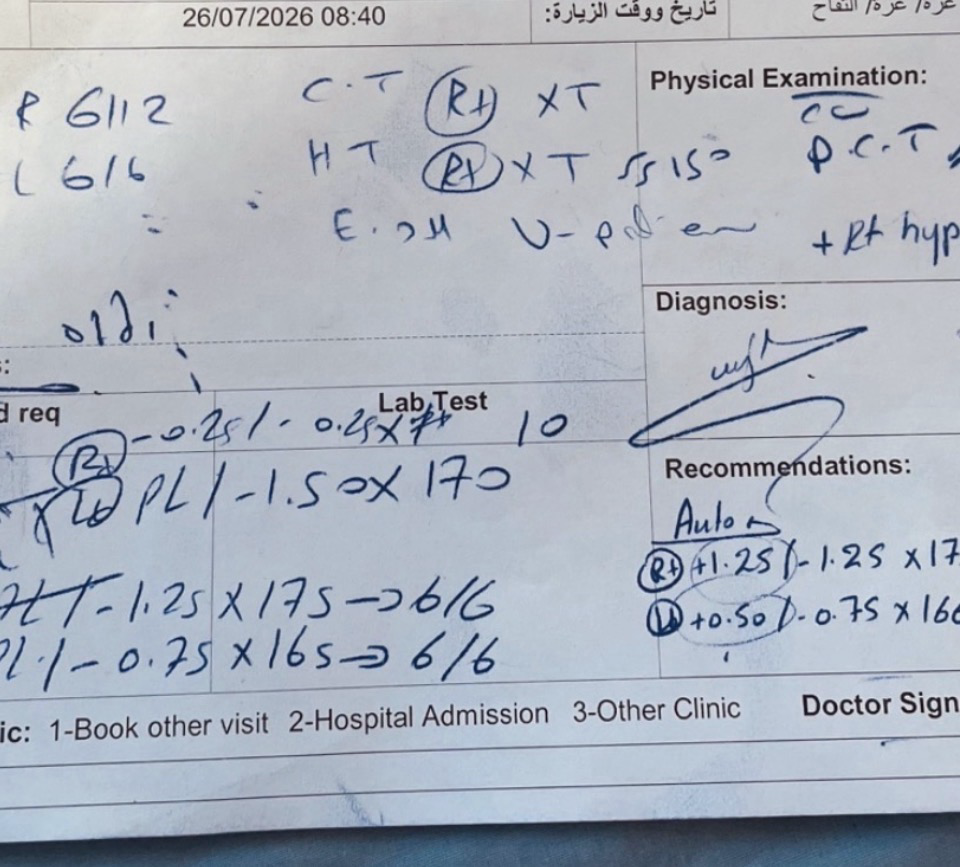
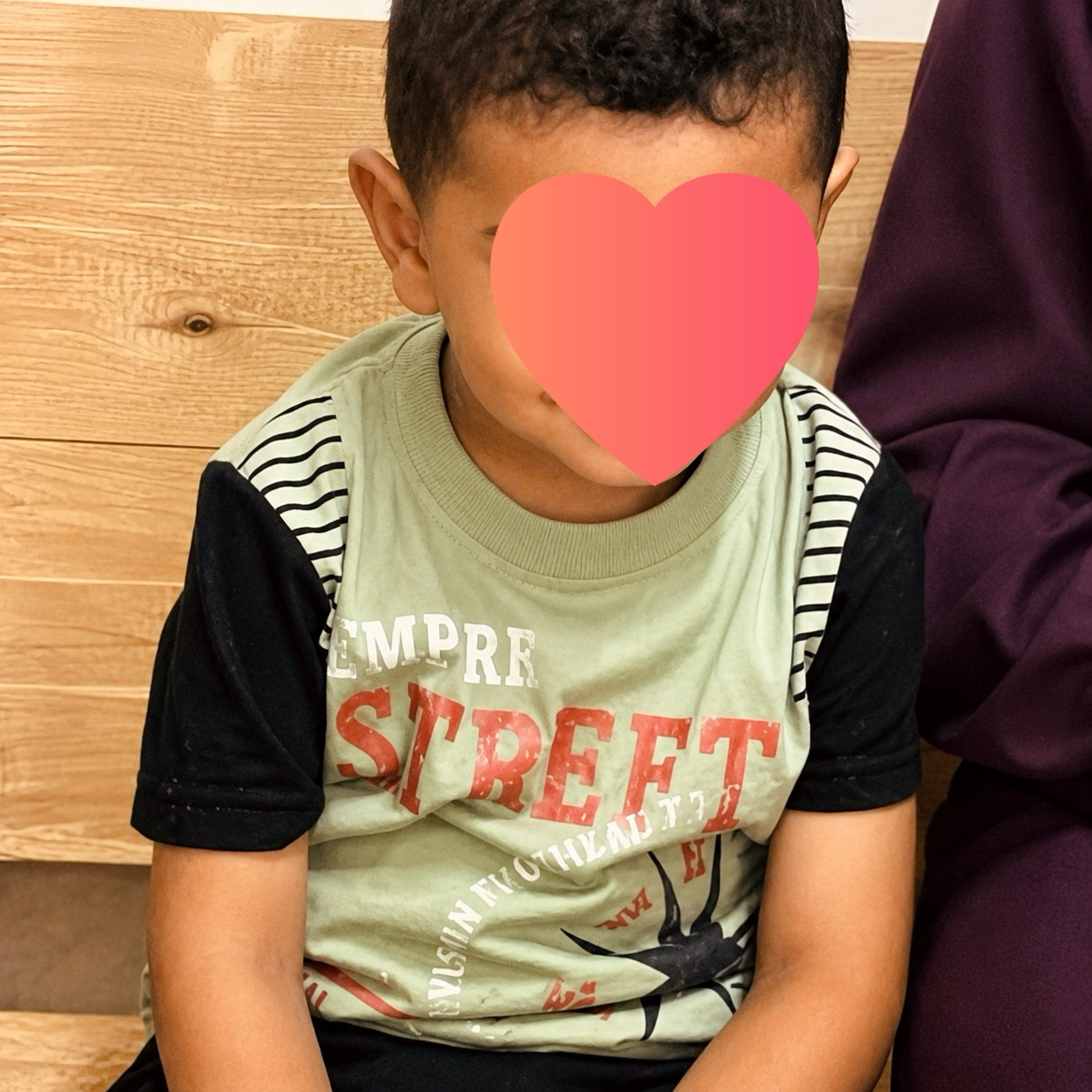
Yesterday, I shared an appeal for a child who needs medical glasses after undergoing surgery to correct a vision deviation. The cost of the glasses is only 500 shekels, which is approximately 170 dollars.
I tried to find someone who could create a separate donation link for his mother, but unfortunately, no one responded. So I decided to dedicate my own fundraising link for 24 hours, starting yesterday, to collect the cost of his glasses, even though I desperately need this link myself as well.
So far, I have only been able to raise 10 euros for this child. 💔
Please help me by sharing this post. Maybe it will reach someone who can extend a helping hand to him.
This child is an orphan, and his mother has no source of income to help her provide what he needs.
Any amount donated through my link today will be dedicated entirely to this little one, so he can get the glasses he needs and see the world clearly again. 🤍
Thank you to everyone who shares or helps. Your small contribution may be the reason a child’s life is changed.
https://gofund.me/83e09b493
#Gaza #Palestine #StandWithGaza #MutualAid #Humanity #SupportPalestine #SaveLives #EmergencyRelief
In a scene where pride and hope intertwine, graduates of the Faculty of Medicine at the Islamic University of Gaza illuminated their phones during the graduation ceremony of the 15th cohort, turning the light into an extraordinary moment that captures the story of a generation determined to continue its pursuit of education despite the harsh circumstances.
The lights were not merely part of a celebration, but a message that education in Gaza is still alive, and that dreams can find their way forward even in the darkest of times.
My family’s support link ⬇️⬇️⬇️⬇️
https://gofund.me/83e09b493
https://gaza-verified.org/people/@nada@manganiello.eu/
#Fediforgaza#Gaza #Palestine #StandWithGaza #MutualAid #Humanity #SupportPalestine #SaveLives #EmergencyRelief
#Gaza
Replying to on mastodon.social
@marion_v@mastodon.social @kareemram@mastodon.social Thank you. They are the best children, and they are very bright and hardworking. I only wish for them to be happy. 🤍
Could you please help me share this post?
Today, I’m asking you for something different… something small in value, but incredibly meaningful to the heart of a child who has already lost so much.
There are 10 children in Gaza who need your help.
Seven of them are orphans who lost their fathers during the war. The other three are living with a father who is seriously ill and in poor health.
Before the war, these families lived decent, stable lives. They had homes, possessions, and a life like any other family. But the war took everything from them.
Today, after three years of war and deprivation, these children are waiting for the beginning of a new school year.
Some of them have not been able to attend school at all during these years.
Imagine a child waiting to go to school, but without a backpack.
A child who wants to write, but has no notebook or pen.
A child watching others prepare for the new school year, while all they have are memories of war.
We are not asking for much.
We simply want to give each child a school bag, notebooks, pens, and school clothes.
The cost of everything one child needs is around €50.
If five people donate €10 each, we can fully equip one child.
And if more of us contribute a small amount, we can complete this campaign within just a few days.
€10 may be a small amount to you, but it could be the first school bag a child has carried after years of war.
And I want to share something very personal…
These children are the children of my martyred brothers.
I am not asking you to donate to children I do not know.
I am trying to help my nieces and nephews who lost their fathers, and to see school bags in their hands instead of the things that war has forced upon them.
Please help me make the beginning of their school year different this time.
If you can help, please do.
And if you cannot donate, please share this post.
Your share might reach the person who can give one of these children the chance to return to school. 🤍
https://gofund.me/83e09b493
#Gaza #Palestine #غزة #فلسطين
Is there anyone who can help this little child?
@fabgutterresfernandes@mastodon.social@fabio@manganiello.eu@aral@mastodon.ar.al https://manganiello.eu/notice/B8zjWzF2kVvBdMP9rE
RE: https://manganiello.eu/objects/10e251ec-d840-4aa4-a4e1-73df50bcf4e6
Quoting
This time, I am not asking for help for myself… I am asking for a child who needs all of us to stand by his side. 🤍
There is a little child among us who was suffering from an eye alignment problem. After a difficult journey, and thanks to a generous donation from a kind-hearted person, he was able to undergo the surgery he needed.
Today, after the successful operation, there is still one important step left to complete his treatment… He needs medical glasses to help improve his vision and return to his daily life in a better way.
I know that not everyone is able to create a fundraising link, but I believe that every link can become a door of hope, and that kindness, when shared, reaches those who need it.
So I kindly ask you to share this post. Perhaps it will reach someone who can help him or contribute to providing what he needs.
This time, it is not my story… it is the story of a child waiting for a hand to reach out to him.
I hope to be a voice that helps him reach someone who has the ability to change his day and give him a new chance to see the world clearly. 🤍
https://gofund.me/83e09b493
#Gaza #Palestine #StandWithGaza #MutualAid #Humanity #SupportPalestine #SaveLives #EmergencyRelief
Replying to
@Captain_Jack_Sparrow@mastodon.world @paulschoe@mastodon.world Believe me, the best way is to deliver aid directly to the people who truly need it.
No comment…
The largest funeral in the history of the Palestinian cause.
Today, 112 martyrs are being laid to rest after spending years beneath the rubble, while hundreds more remain missing.
World… remain silent. It is the only language you have mastered in the face of a tragedy of this magnitude.
https://gofund.me/83e09b493
#Gaza #Palestine #StandWithGaza #MutualAid #Humanity #SupportPalestine #SaveLives #EmergencyRelief
This is all I was able to raise in a week.
I really need your help. 💔
https://gofund.me/83e09b493 @gaza_verified_campaigns@mastodon.social https://mastodon.social/@gaza_verified_campaigns/117068718910489677
Quoting

#GazaVerified campaigns that raised less than $200.0 in the past 7 days:
- @nada@manganiello.eu ($58)
- @Ibrahim_fayez@mastodon.social ($58)
- @sarada9669@mastodon.social ($62)
- @AsarSameer@mastodon.social ($64)
- @OlaAndLutfi@mastodon.scot ($67)
- @save_tocat199@mastodon.social ($67)
- @emmohamed123456@mastodon.social ($70)
- @umyahya2026@mastodon.social ($70)
- @Hanan1991@mastodon.social ($74)
- @anghamrlkhalil@mastodon.social ($74)
- @Laila11@mastodon.social ($79)
- @Aa102030@mastodon.social ($80)
(13/17)
Gaza Relief: 80% of humanitarian work has stopped, and the Strip is on the brink of a winter catastrophe.
My family’s donation link ⬇️⬇️⬇️
https://gofund.me/83e09b493
https://gaza-verified.org/people/@nada@manganiello.eu/
#Fediforgaza#Gaza #Palestine #StandWithGaza #MutualAid #Humanity #SupportPalestine #SaveLives #EmergencyRelief
#Gaza
People are describing it as one of the largest funerals in the history of the Palestinian cause.
Today, Gaza is laying to rest the remains of 112 people from the Abu Sharia and Al-Hassaina families, nearly three years after they were buried beneath the rubble.
The massacre took place in the Sabra neighborhood, south of Gaza City, on November 22, 2023. It claimed the lives of 308 people, including 44 children, 37 women, and more than 10 people with disabilities. The remains of 157 people are still missing to this day.
https://gofund.me/83e09b493
#Gaza #Palestine #StandWithGaza #MutualAid #Humanity #SupportPalestine #SaveLives #EmergencyRelief
October 7
On October 7, every page written by the people of Gaza seems to groan, because it longs for a life we once thought was ordinary, before we discovered that it was a priceless blessing, and that the things we once passed by without a second thought were treasures to those who have been deprived of them.
Memories chase us until they nearly destroy us;
images of faces that are gone, voices that have fallen silent, homes that are no longer homes, streets, features, and places whose warmth still lingers in our memories, as though the comfort and safety they once held are still there despite everything that has happened.
Only later did we discover the blessing of boring routines, and the blessing of ordinary days we once complained about.
We discovered the blessing of leaning against a wall rather than a piece of fabric, of sleeping in a bed, of having a private bathroom, of closing a door behind you and feeling safe, and of knowing that you have a permanent address to return to at the end of the day.
We discovered the blessing of a full refrigerator, the quiet of winter behind windows, the sound of rain without fear, and hundreds of small blessings we never noticed because they were simply part of our lives.
As for me, I went through this genocide alone.
Day after day, I was crushed beneath its weight. I swallowed my fear and exhaustion and tried to keep standing, simply so that my children could have enough safety to live, and so they would not feel that the world had completely abandoned them.
Three years have passed, and we are still trying to understand how the life we once knew became a memory, and how the simplest thing we now long for is simply to live an ordinary life.
O God, accept our patience, accept all that we have lost, have mercy on those who have departed, protect those who remain, and one day return to us at least some of what was taken from us.
O God, let there be life after this patience, compensation after this loss, and dawn after this long night.
https://gofund.me/83e09b493
https://gaza-verified.org/people/@nada@manganiello.eu/
#Fediforgaza
#Gaza #Palestine #StandWithGaza #MutualAid #Humanity #SupportPalestine #SaveLives #EmergencyRelief
On October 7, every page written by the people of Gaza seems to groan, because it longs for a life we once thought was ordinary, before we discovered that it was a priceless blessing, and that the things we once passed by without a second thought were treasures to those who have been deprived of them.
Memories chase us until they nearly destroy us;
images of faces that are gone, voices that have fallen silent, homes that are no longer homes, streets, features, and places whose warmth still lingers in our memories, as though the comfort and safety they once held are still there despite everything that has happened.
Only later did we discover the blessing of boring routines, and the blessing of ordinary days we once complained about.
We discovered the blessing of leaning against a wall rather than a piece of fabric, of sleeping in a bed, of having a private bathroom, of closing a door behind you and feeling safe, and of knowing that you have a permanent address to return to at the end of the day.
We discovered the blessing of a full refrigerator, the quiet of winter behind windows, the sound of rain without fear, and hundreds of small blessings we never noticed because they were simply part of our lives.
As for me, I went through this genocide alone.
Day after day, I was crushed beneath its weight. I swallowed my fear and exhaustion and tried to keep standing, simply so that my children could have enough safety to live, and so they would not feel that the world had completely abandoned them.
Three years have passed, and we are still trying to understand how the life we once knew became a memory, and how the simplest thing we now long for is simply to live an ordinary life.
O God, accept our patience, accept all that we have lost, have mercy on those who have departed, protect those who remain, and one day return to us at least some of what was taken from us.
O God, let there be life after this patience, compensation after this loss, and dawn after this long night.
https://gofund.me/83e09b493
https://gaza-verified.org/people/@nada@manganiello.eu/
#Fediforgaza
#Gaza #Palestine #StandWithGaza #MutualAid #Humanity #SupportPalestine #SaveLives #EmergencyRelief
Hello, friends.
Could anyone help me cover the cost of this treatment? It consists of an eye ointment and eye drops that I need to use for two weeks to treat the chalazia (oil cysts) in my eye.
The cost of the treatment for two weeks is €150.
https://gofund.me/83e09b493
https://gaza-verified.org/people/@nada@manganiello.eu/
#Fediforgaza
#Gaza #Palestine #StandWithGaza #MutualAid #Humanity #SupportPalestine #SaveLives #EmergencyRelief
Could anyone help me cover the cost of this treatment? It consists of an eye ointment and eye drops that I need to use for two weeks to treat the chalazia (oil cysts) in my eye.
The cost of the treatment for two weeks is €150.
https://gofund.me/83e09b493
https://gaza-verified.org/people/@nada@manganiello.eu/
#Fediforgaza
#Gaza #Palestine #StandWithGaza #MutualAid #Humanity #SupportPalestine #SaveLives #EmergencyRelief
From today’s bombing.
This hand will forever bear witness to the abandonment of the entire world;
a witness to an era that watched Gaza bleed, then turned its face away and walked on.
O Allah, we entrust Gaza and its martyrs to You.
Grant them justice, have mercy on those who have departed, and stand with those who remain. 💔
https://gofund.me/83e09b493https://gaza-verified.org/people/@nada@manganiello.eu/#Fediforgaza#Gaza #Palestine #StandWithGaza #MutualAid #Humanity #SupportPalestine #SaveLives #EmergencyRelief
Tomorrow, Gaza will witness one of the largest funeral processions in the history of the Palestinian cause, as the bodies of 112 martyrs from the Abu Sharia and Al-Hassayneh families are laid to rest after being recovered from beneath the rubble.
They are only a fraction of the 308 people killed in the massacre, while the bodies of dozens more remain trapped under the debris.
This is not a funeral for individuals alone—it is a farewell to entire families, a scene that reflects the unimaginable scale of the tragedy unfolding in Gaza.
https://gofund.me/83e09b493
#Gaza #Palestine #StandWithGaza #MutualAid #Humanity #SupportPalestine #SaveLives #EmergencyRelief
I would like to raise an issue that deeply concerns many families in Gaza.
There are humanitarian initiatives run by individuals who enjoy widespread trust and popularity around the world. People donate to these initiatives with the sincere hope that their contributions will reach the families who need them most.
However, based on what we witness and experience on the ground, many families say they have not received any assistance, despite months of fundraising. In our camp in particular, most families have received little to no aid, even though large fundraising campaigns are frequently promoted in their name.
With the new school year less than a month away, many initiatives are collecting donations for school supplies and uniforms, especially since most children in Gaza have lost their clothes and belongings during the war. Yet countless families—including many in our camp—are still waiting for even the most basic support.
My intention is not to accuse anyone without evidence. Rather, I am calling for greater transparency and accountability, with clear and public mechanisms for how aid is distributed, so that donations reach the people they were intended to help and donors can be confident that their generosity is making a real difference.
If you believe humanitarian aid should reach those who truly need it, I kindly ask you to share this post so that our voices can be heard and donations can reach the families who have been waiting for far too long.
I have attached two screenshots related to one of these initiative organizers. One shows aid that they claim is being distributed, although many families say they have received nothing. The other shows a lavish dining table from the organizer’s personal social media account. I am sharing these images so readers can draw their own conclusions.
https://gofund.me/83e09b493
#Gaza #Palestine #StandWithGaza #MutualAid #Humanity #SupportPalestine #SaveLives #EmergencyRelief
We have lost everything…
We have lost so much of what we once believed would always be a part of our lives. We have lost things we never imagined we would have to live without.
And yet, I believe there is one thing the war has not been able to take from us: our ability to love others and to try to help them, even when we ourselves are desperately in need of help.
Today, I joined my doctor in handing out some sweets and biscuits to the sick children at the children’s hospital. I did not have much to give them. I am also living through hardship and carrying more exhaustion than I can bear… but I was happy that I could help my doctor bring a small smile to their faces.
Perhaps we could not change anything about their suffering. Perhaps all we could offer them was a piece of candy and a smile. But seeing their eyes light up, even for a few moments, was enough to bring a little warmth back into my heart.
At a time when we have lost almost everything, we can still give something simple:
A little compassion.
A little love.
And a smile that tells others that, despite all this pain, they are not alone. ❤️🩹
A cup of coffee with milk was my little treat at the end of the day.
🥰🥰🥰🥰🥰
https://gofund.me/83e09b493
https://gaza-verified.org/people/@nada@manganiello.eu/
#Fediforgaza
#Gaza #Palestine #StandWithGaza #MutualAid #Humanity #SupportPalestine #SaveLives #EmergencyRelief
We have lost so much of what we once believed would always be a part of our lives. We have lost things we never imagined we would have to live without.
And yet, I believe there is one thing the war has not been able to take from us: our ability to love others and to try to help them, even when we ourselves are desperately in need of help.
Today, I joined my doctor in handing out some sweets and biscuits to the sick children at the children’s hospital. I did not have much to give them. I am also living through hardship and carrying more exhaustion than I can bear… but I was happy that I could help my doctor bring a small smile to their faces.
Perhaps we could not change anything about their suffering. Perhaps all we could offer them was a piece of candy and a smile. But seeing their eyes light up, even for a few moments, was enough to bring a little warmth back into my heart.
At a time when we have lost almost everything, we can still give something simple:
A little compassion.
A little love.
And a smile that tells others that, despite all this pain, they are not alone. ❤️🩹
A cup of coffee with milk was my little treat at the end of the day.
🥰🥰🥰🥰🥰
https://gofund.me/83e09b493
https://gaza-verified.org/people/@nada@manganiello.eu/
#Fediforgaza
#Gaza #Palestine #StandWithGaza #MutualAid #Humanity #SupportPalestine #SaveLives #EmergencyRelief
Replying to
@marion_v@mastodon.social Thank you from the bottom of my heart. I truly need some help to provide a few basic necessities for my children. 🤍
If you can, I would be deeply grateful if you could share my post and help my voice reach those who may be able to help.
Thank you for standing by us. 🤍
Can you help me?
If you’re unable to donate, please share my post instead. I’m deeply grateful to everyone. ❤️ https://manganiello.eu/notice/BAQZEwINJ0ZGOFHGzI
RE: https://manganiello.eu/objects/73107d5e-a97d-4373-a2f9-7e642aaaab24
Quoting
Today, my children started their new school year, but the public schools they once attended have been destroyed, leaving us with no choice but to send them to paid educational tents.
The fee is 100 shekels (around $35) per child, and I have three children. They also need notebooks and school supplies, and I have bought a few notebooks temporarily despite the high prices.
Could you help me cover their school fees and basic supplies? Your support gives them a chance to continue their education despite everything. ❤️
Support link for my family ⬇️⬇️⬇️⬇️
https://gofund.me/83e09b493
https://gaza-verified.org/people/@nada@manganiello.eu/
#Fediforgaza#Gaza #Palestine #StandWithGaza #MutualAid #Humanity #SupportPalestine #SaveLives #EmergencyRelief
#In farewell to those who were killed just moments ago 💔 Northern Gaza
No words can describe this. Our hearts are bleeding.
https://gofund.me/83e09b493
#Gaza #Palestine #StandWithGaza #MutualAid #Humanity #SupportPalestine #SaveLives #EmergencyRelief
This morning:
Several military vehicles advanced south of Wadi Gaza, in the central Gaza Strip, accompanied by gunfire.
The situation is very bad today. Please keep us in your prayers.
https://gofund.me/83e09b493https://gaza-verified.org/people/@nada@manganiello.eu/#Fediforgaza#Gaza #Palestine #StandWithGaza #MutualAid #Humanity #SupportPalestine #SaveLives #EmergencyRelief
Good morning, a morning of love, despite everything that has been broken within us.
Our hearts are heavy with pain, our souls are fragile, as though they can no longer bear any more loss, and our eyes can scarcely stop weeping. And yet, life still surprises us with little moments that restore some of our faith in it: a sweet little girl trying to live, and flowers blooming defiantly amid the rubble, as if whispering to us that destruction is not the end of the story.
Amid all this pain, I realize that hope can come from a fleeting encounter, from a little heart that still dares to dream, and from a flower finding its way toward the light despite the weight of the stones.
Perhaps wounds cannot prevent life from blossoming, and perhaps love can grow in the most painful of places, just as flowers rise from among the ruins.
A morning of love to every heart exhausted by sorrow, yet still believing that something beautiful can be born from the depths of pain. ❤️🩹🌷💔
https://gofund.me/83e09b493
https://gaza-verified.org/people/@nada@manganiello.eu/
#Fediforgaza
#Gaza #Palestine #StandWithGaza #MutualAid #Humanity #SupportPalestine #SaveLives #EmergencyRelief
Our hearts are heavy with pain, our souls are fragile, as though they can no longer bear any more loss, and our eyes can scarcely stop weeping. And yet, life still surprises us with little moments that restore some of our faith in it: a sweet little girl trying to live, and flowers blooming defiantly amid the rubble, as if whispering to us that destruction is not the end of the story.
Amid all this pain, I realize that hope can come from a fleeting encounter, from a little heart that still dares to dream, and from a flower finding its way toward the light despite the weight of the stones.
Perhaps wounds cannot prevent life from blossoming, and perhaps love can grow in the most painful of places, just as flowers rise from among the ruins.
A morning of love to every heart exhausted by sorrow, yet still believing that something beautiful can be born from the depths of pain. ❤️🩹🌷💔
https://gofund.me/83e09b493
https://gaza-verified.org/people/@nada@manganiello.eu/
#Fediforgaza
#Gaza #Palestine #StandWithGaza #MutualAid #Humanity #SupportPalestine #SaveLives #EmergencyRelief
Replying to on mastodon.social
@franciswashere@mastodon.social @eessll_123@mastodon.social You are a kind person. Maybe I haven’t personally benefited from your help, but I have seen how much you have done for others and how hard you have tried to help in every way you could. That alone is something that cannot be forgotten, and the fact that you couldn’t solve everything does not diminish it.
Take some time to rest now, and let God take care of our affairs. You are in our prayers, from the bottom of our hearts. We wish you nothing but goodness, and we pray that God will stand by you just as you have stood by others, ease everything that weighs heavily on your heart, and help your problems fade away one by one.
I hope that peace, relief, and better days find their way to you and make up for all the exhaustion and hardship you have been through.
This is our Gaza…
This is what I saw today as I made my way back from the southern part of the Strip to Gaza City. A road marked by the scars of war at every turn, yet it still holds something that no war can ever take away… the soul of this place.
That is why I decided that, over the coming days, I want to share with you photos of Gaza as it was before the war—a Gaza embraced by the sea, where life flowed through its streets and the laughter of its people filled every corner.
I want you to see the city that lived within us long before destruction found its way to it. I want you to know that behind every pile of rubble is a story, and behind every home that was destroyed are memories that still beat in the hearts of those who belonged there.
Those photographs may seem as though they come from another lifetime, but to us they are an unbroken promise—a reminder that no matter how long the night lasts, it can never stop the sun from rising.
We will keep the image of beautiful Gaza alive in our hearts, not to mourn only what we have lost, but to believe that one day she will return as we have always known her: a city that loves life, and deserves it more than anywhere else.
https://gofund.me/83e09b493
#Gaza #Palestine #StandWithGaza #MutualAid #Humanity #SupportPalestine #SaveLives #EmergencyRelief
Hello, friends.
Could you please share my post? I need your help raising €150 to cover some essential needs.
I feel embarrassed to ask, but circumstances have left me with no other choice.
I’m truly grateful for your kindness and support. 💔💔💔
https://gofund.me/83e09b493
https://gaza-verified.org/people/@nada@manganiello.eu/
#Fediforgaza
#Gaza #Palestine #StandWithGaza #MutualAid #Humanity #SupportPalestine #SaveLives #EmergencyRelief https://manganiello.eu/notice/BBDM9Zz5RqbmlDbhfU
RE: https://manganiello.eu/objects/34edaf0b-5b4e-4f22-a648-c65375c7bc2f
Could you please share my post? I need your help raising €150 to cover some essential needs.
I feel embarrassed to ask, but circumstances have left me with no other choice.
I’m truly grateful for your kindness and support. 💔💔💔
https://gofund.me/83e09b493
https://gaza-verified.org/people/@nada@manganiello.eu/
#Fediforgaza
#Gaza #Palestine #StandWithGaza #MutualAid #Humanity #SupportPalestine #SaveLives #EmergencyRelief https://manganiello.eu/notice/BBDM9Zz5RqbmlDbhfU
RE: https://manganiello.eu/objects/34edaf0b-5b4e-4f22-a648-c65375c7bc2f